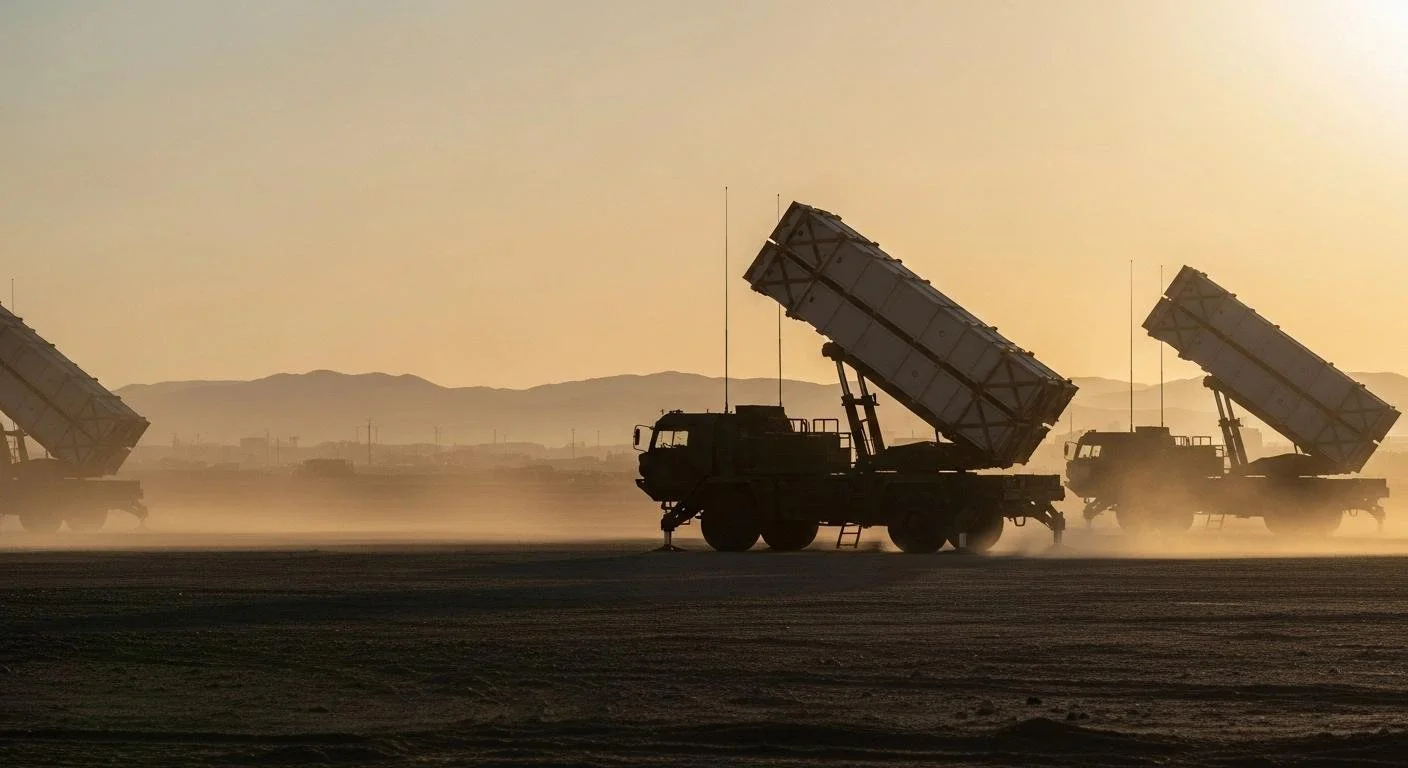
Saudi Arabia’s Reliance on Defence Partners Risks Widening the Yemen Conflict
Saudi Arabia’s growing reliance on external defence partners may strengthen the Kingdom’s defences while allowing greater offensive operations in Yemen. However, increased external military assistance risks further Houthi retaliation, including renewed attacks against commercial shipping in Bab el-Mandeb.
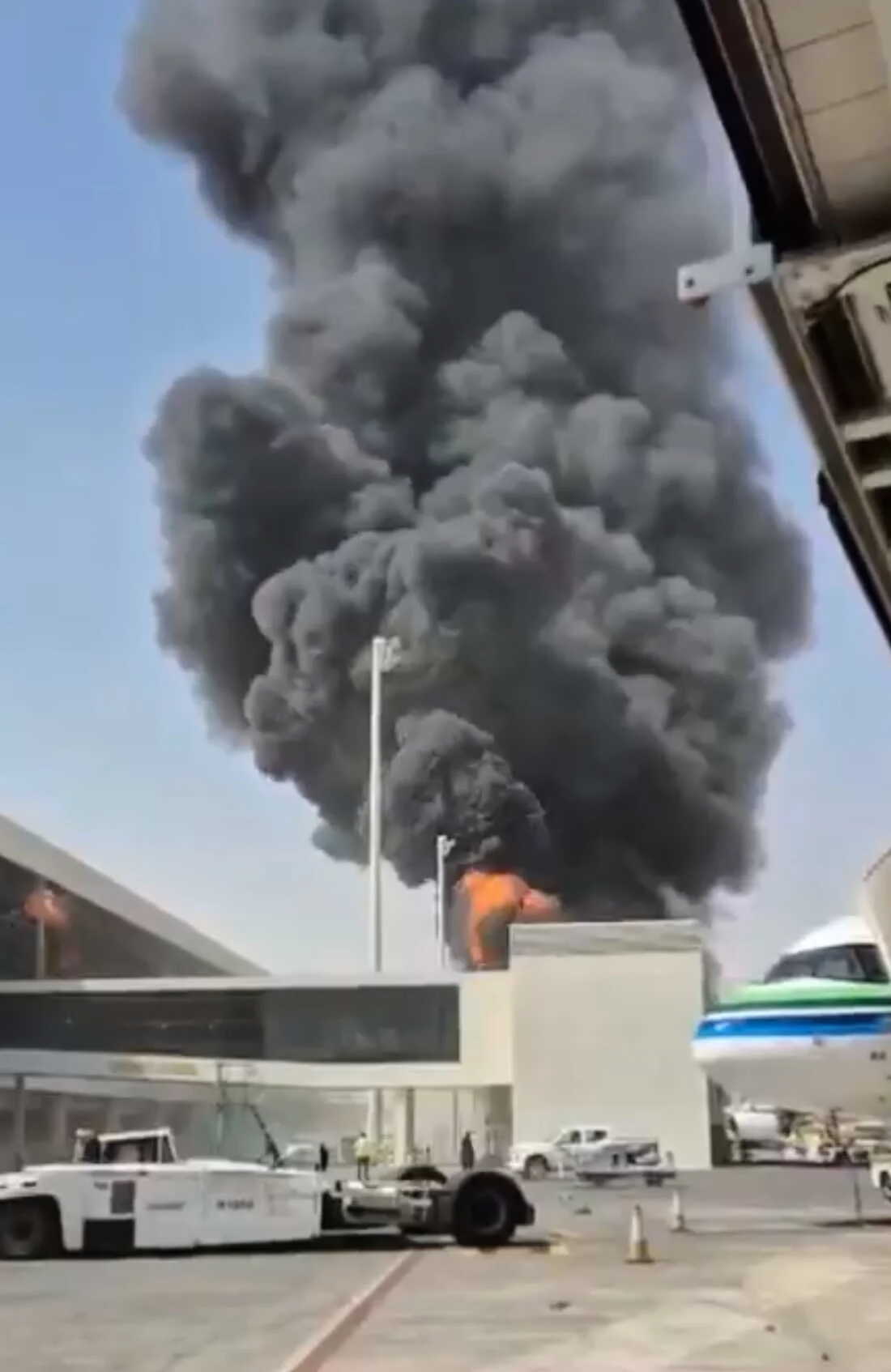
Houthi Resilience Tests MECCA’s Defence Credibility and Saudi Arabia’s Strategy
The Houthi attacks against Saudi Arabia continue to test the strength of the MECCA agreement. Houthi operational resilience and long-range strike capabilities raise questions about the agreement’s deterrent credibility, while Saudi Arabia faces strategic decisions over strengthening air defences and intensifying military operations.
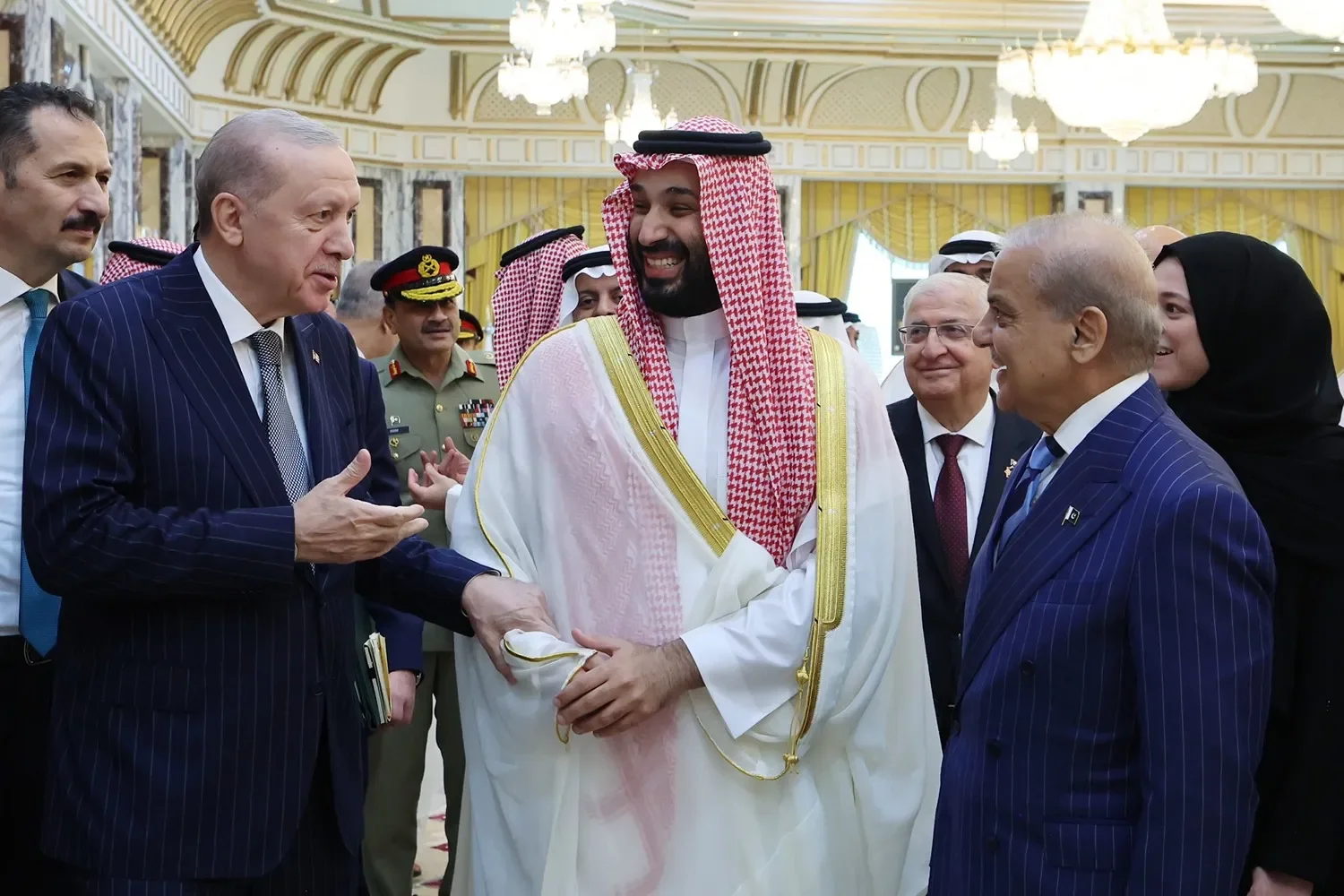
Yemen Conflict Accelerates the Operationalisation of the MECCA Agreement
Escalation in Yemen and Houthi attacks against Saudi Arabia are accelerating the operationalisation of the MECCA Agreement, with partners moving towards deeper military cooperation, institutional development and collective defence.
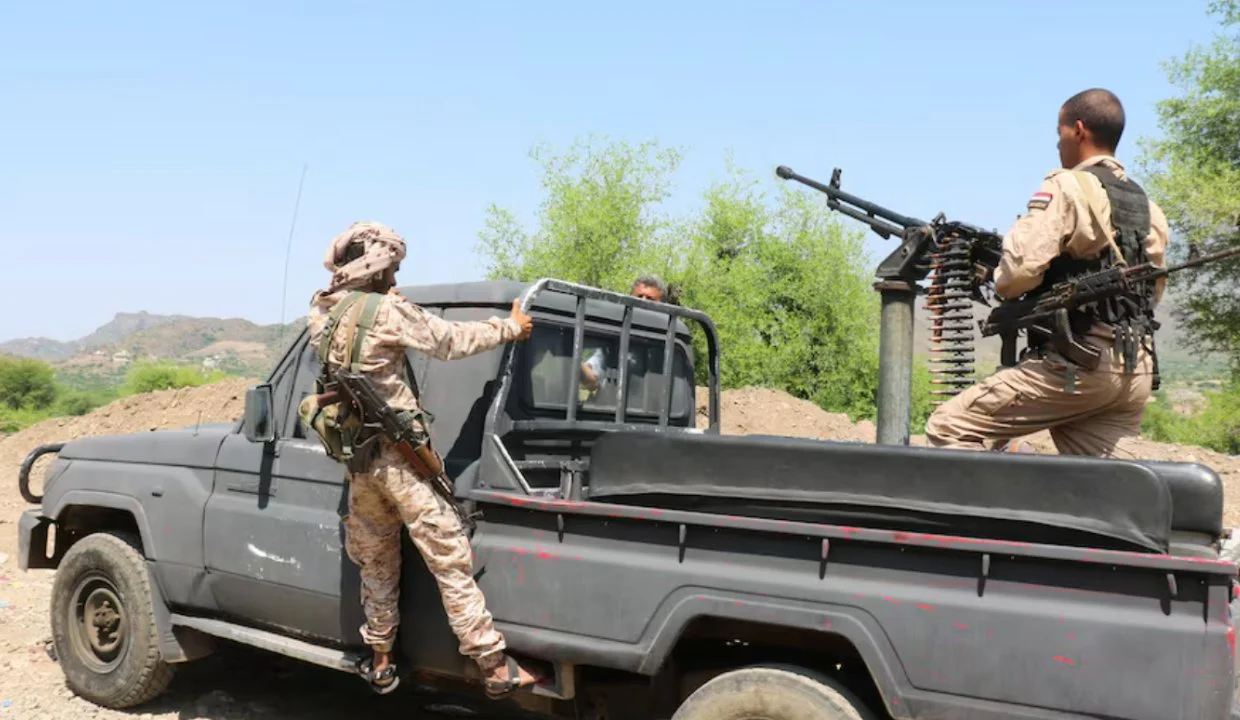
Saudi-Backed Offensive Aims to Counter the Houthi Maritime Threat
Saudi Arabia has coordinated with Yemeni government forces alongside its defence partner Pakistan, suggesting the Kingdom is seeking a limited partner-based intervention. Although a successful military campaign could reduce risks to commercial shipping, it may also result in a greater Houthi response against Saudi critical infrastructure.
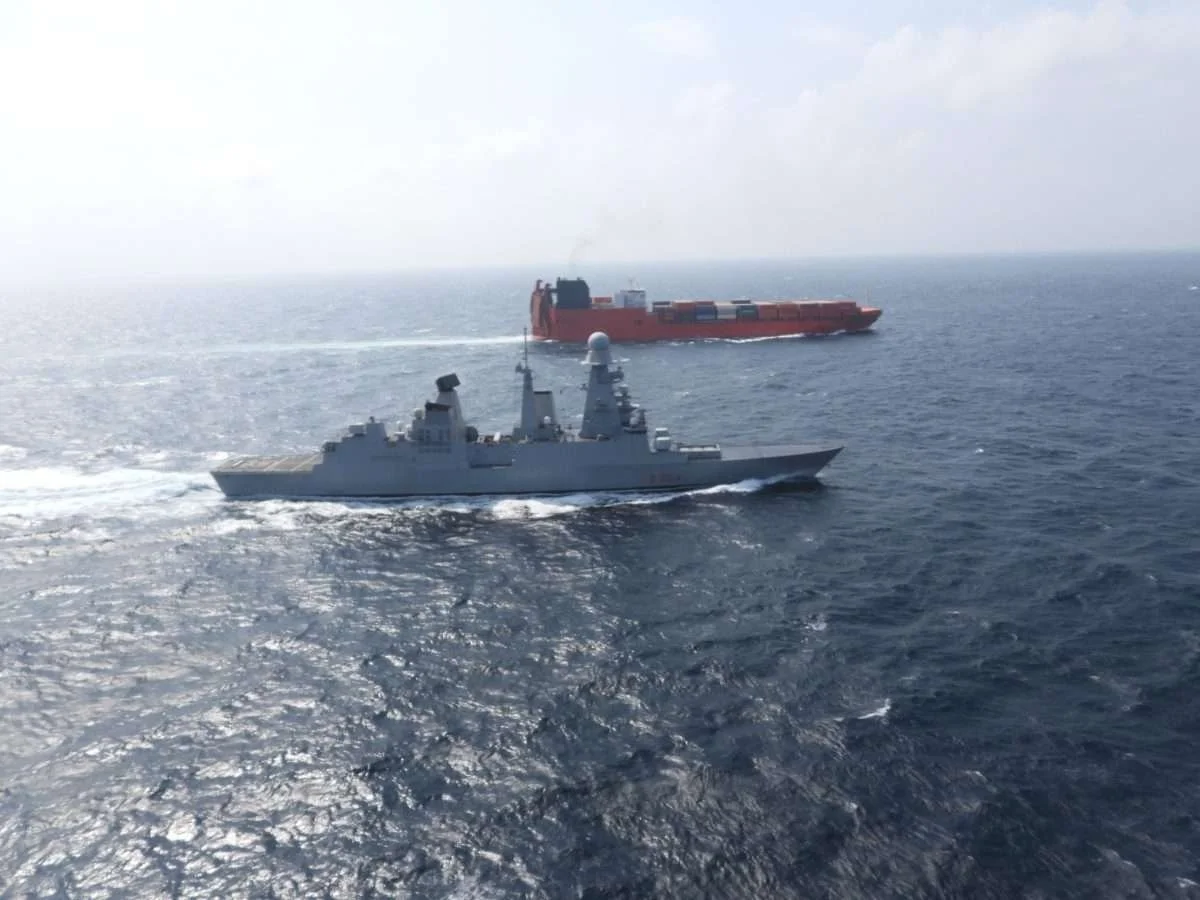
Red Sea Insecurity Tests Europe’s Maritime Security Capacity and Response
Ongoing conflict in the Red Sea and Strait of Hormuz has applied pressure on the EU’s ASPIDES mission. Continued disruption and the uncertainty of the operating environment, alongside the rapid territorial advance of the Houthis, have complicated and constrained EU capacity in the region. The ASPIDES mission may increasingly become one that includes European economic security and supply-chain resilience to ensure trade continues, rather than solely an operation intended to uphold international law.

Ukraine’s Long-Range Strikes Make Russia Turn Inward
Ukraine has used its long-range strike capacity to target Russia’s energy infrastructure with increased frequency, putting Russia’s fuel supply chain under greater pressure. The diverse targets and the spread of locations pose a challenge to Russian military decision-making about which targets remain a priority to defend with finite air-defence resources.
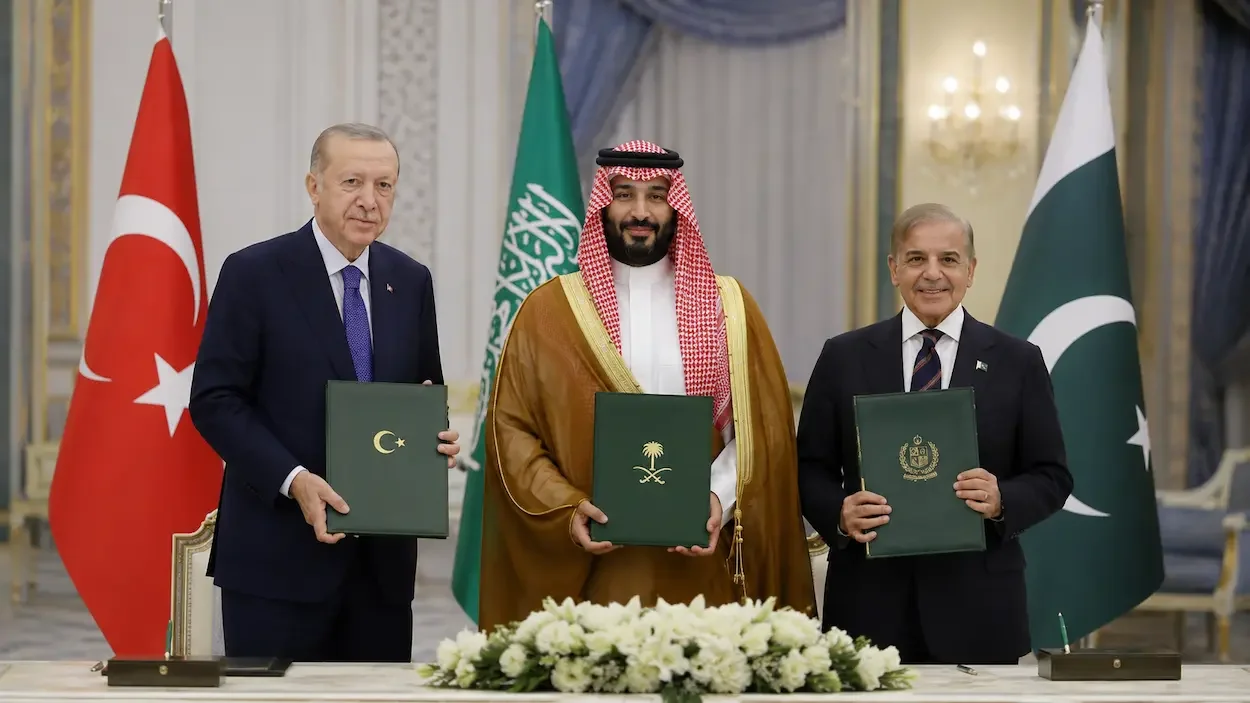
Saudi–Houthi Escalation Testing Defence Alliances and Partnerships
Houthi attacks are testing whether Saudi security alliances and partnerships will translate diplomatic commitments into operational support, particularly the MECCA Agreement joint defence provision. MECCA partners may avoid direct military intervention to limit the risk of regional escalation, choosing to provide other security measures such as air defence, intelligence, logistics, technical support or equipment.
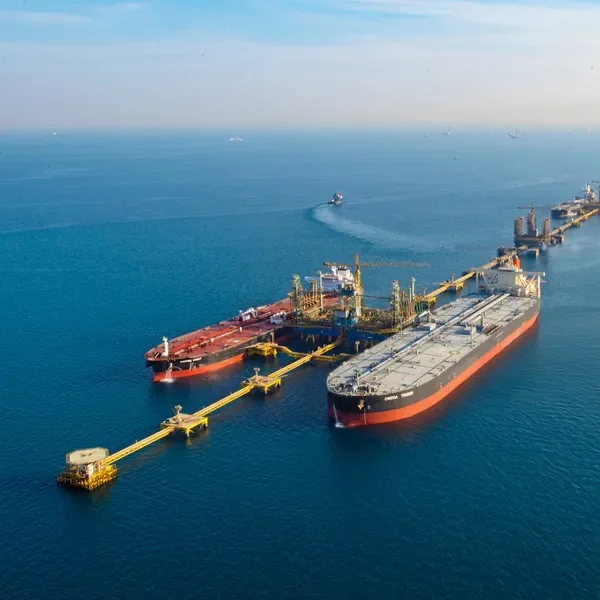
Saudi Arabia Develops Alternative Oil Routes, But at a Cost
Saudi Arabia’s adaptation has demonstrated export route resilience through developing alternative export options. With the overland East–West Pipeline now disrupted, Saudi exports have increased their reliance on maritime export movements.

Deep-Sea Mining: U.S.–China Critical Minerals Competition Expands
U.S.–China critical mineral competition may expand into seabed resources and associated supply chains. Deep-sea mining may increase upstream supply, but Chinese dominance in processing means greater mineral access may not immediately reduce downstream dependence.
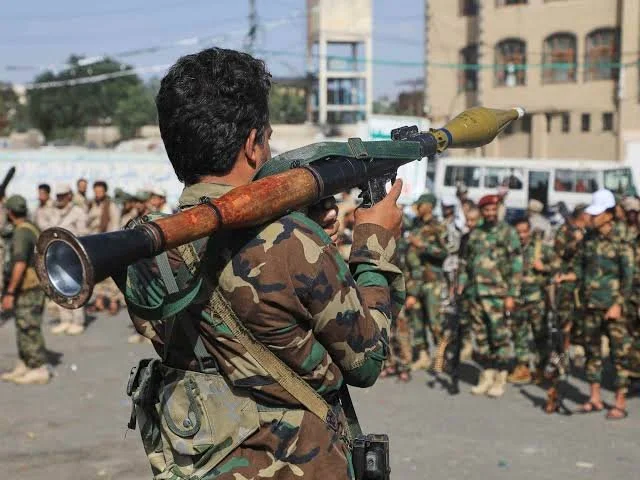
Houthi Territorial Gains and Simultaneous Chokepoint Pressure
Houthi territorial gains around Bab el-Mandeb may increase pressure on maritime traffic and Saudi Arabian oil exports. With disruption continuing in the Strait of Hormuz, the advances may create simultaneous chokepoint pressure and provide greater leverage for Iran.
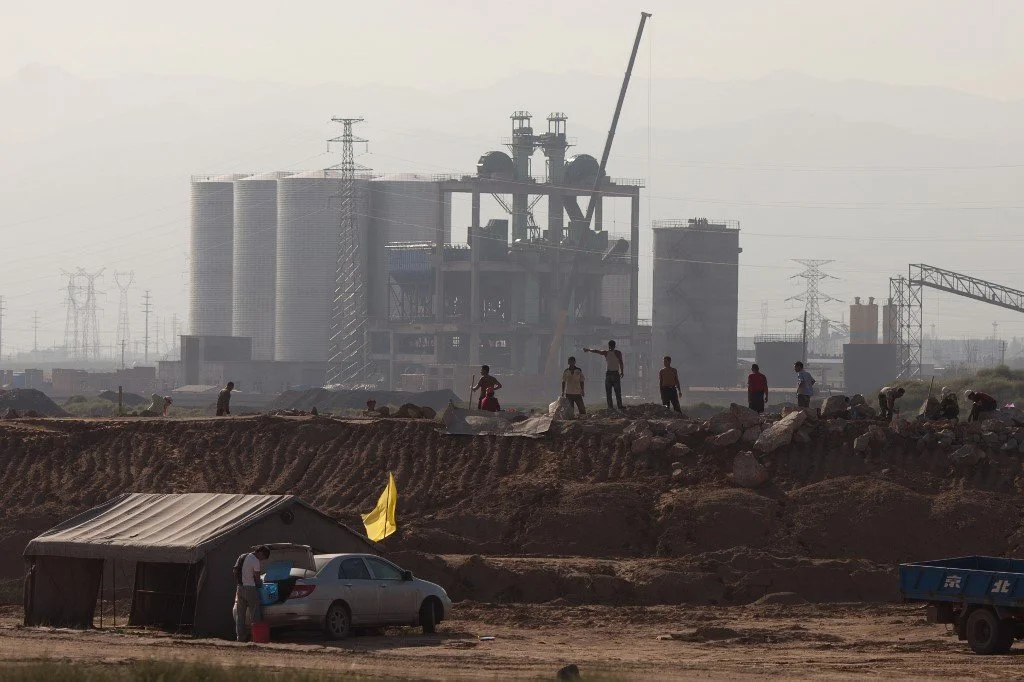
China’s Critical Mineral Controls Expand Through Supplier Self-Restriction
Chinese suppliers may be declining to export critical minerals because of regulatory uncertainty or Chinese government pressure, signalling that China's controls may be extending beyond officially listed U.S. companies.
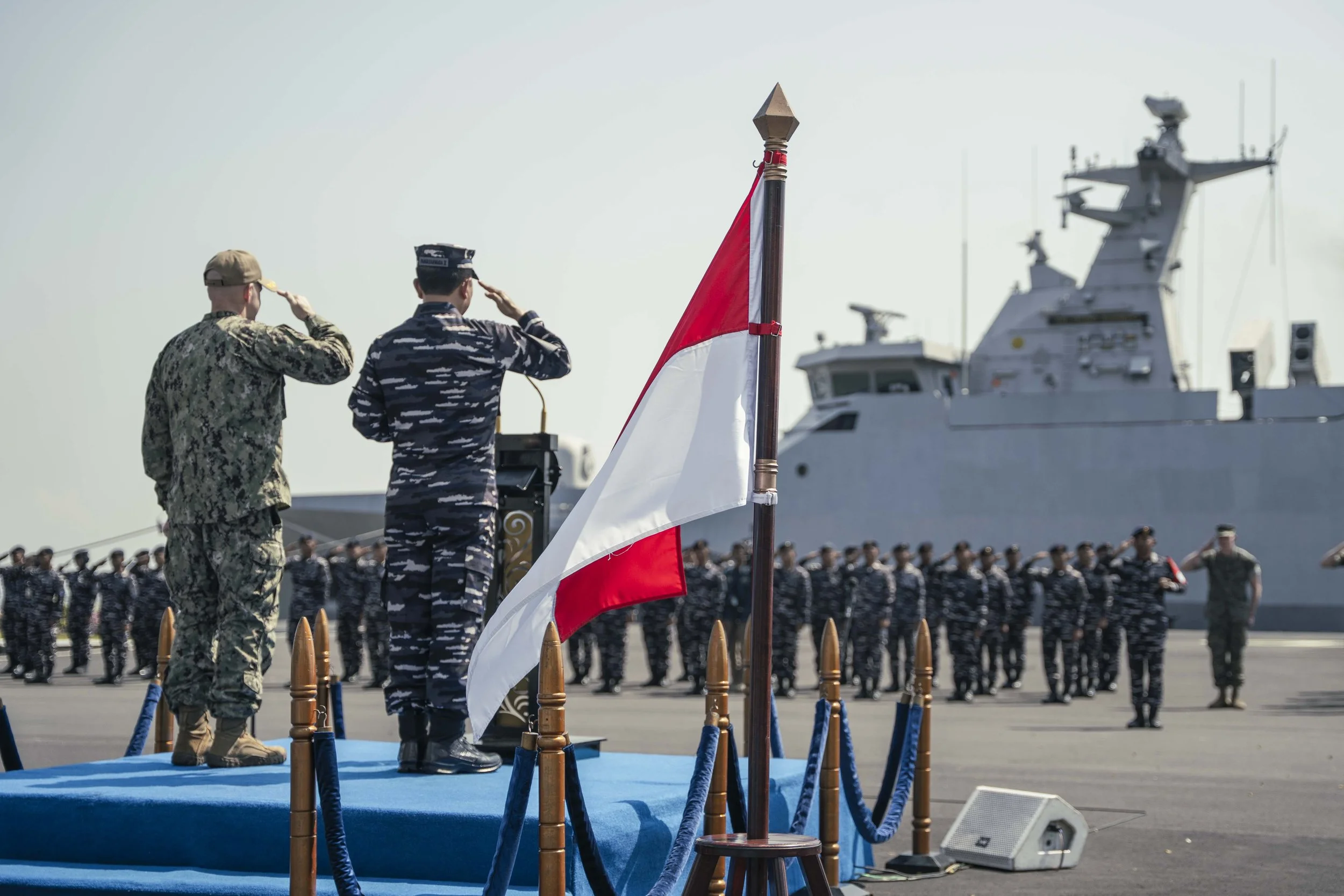
Indonesia’s Partnership Building: Free, Active and Untested.
Indonesia continues to manage its “free and active” foreign policy while building regional security partnerships. As these relationships deepen, their operationalisation may place additional pressure on Indonesia’s strategic autonomy.
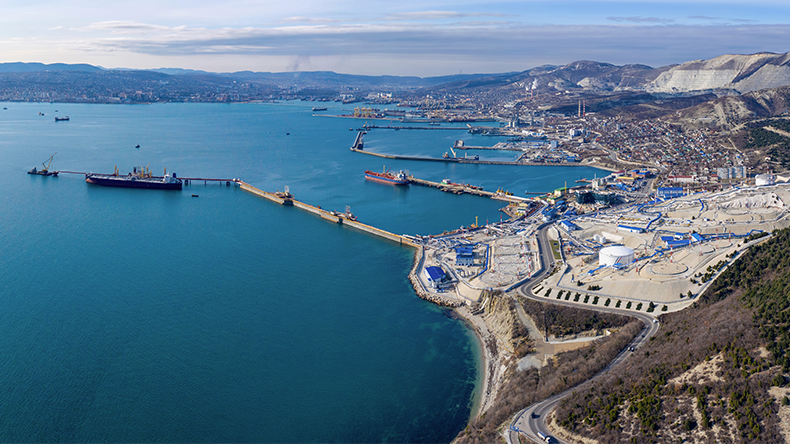
Reciprocal Economic Warfare in the Black Sea
Black Sea economic warfare continues, with Russia indicating an expansion of operations against Ukraine's economic sectors after a failed truce proposal. Ukraine’s strikes targeting Russian Black Sea terminals have reduced Russia’s oil exports, while Russia’s attacks against Ukraine’s ports and agriculture-linked vessels escalated significantly in July.
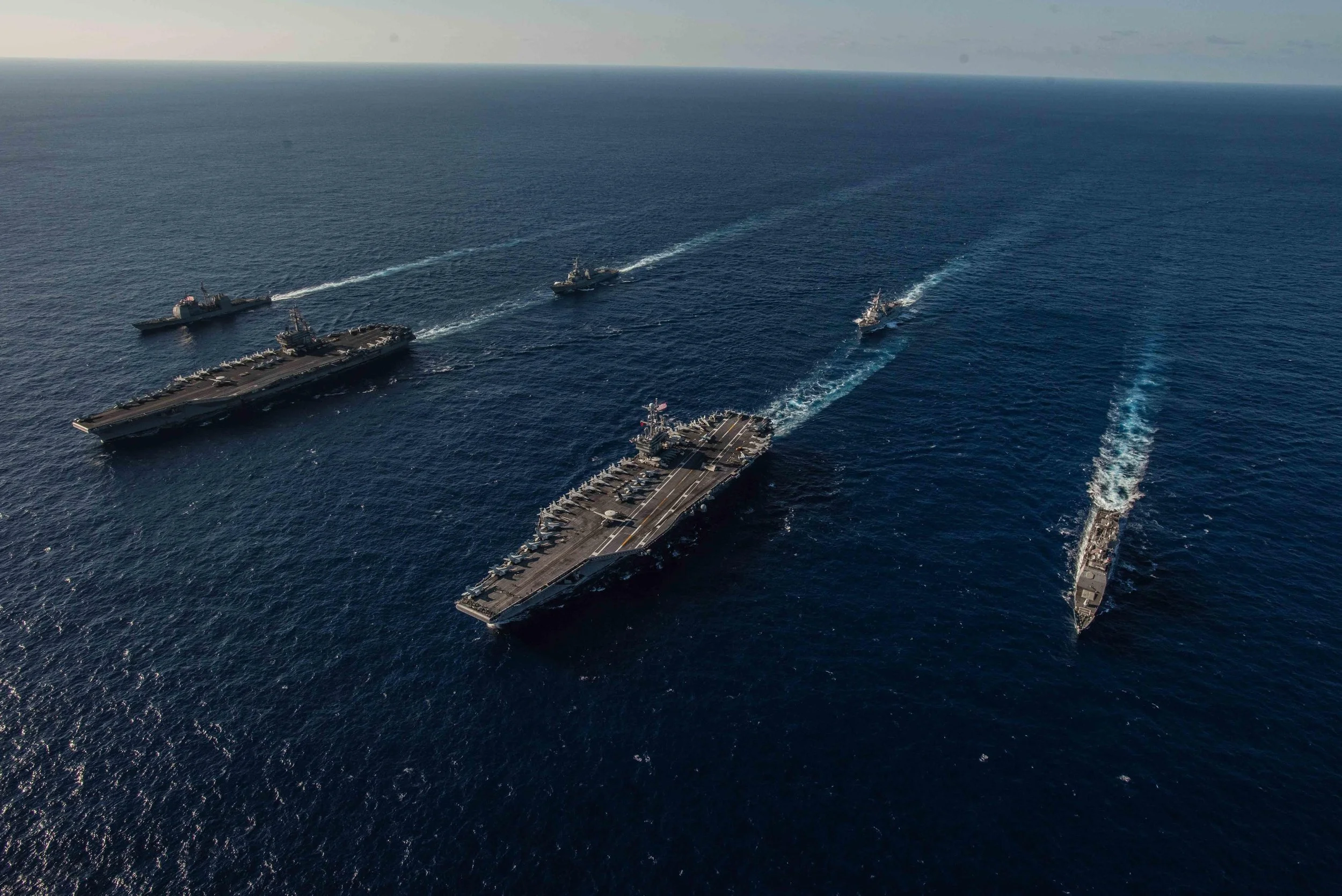
Middle East Military Pressure Tests U.S. Indo-Pacific Deterrence and Burden Sharing
The redeployment of the USS George Washington highlights the challenges the U.S. faces in maintaining a persistent presence of high-end capabilities across multiple theatres. Regional partners may also view the redeployment as evidence of why greater defence burden sharing is required.
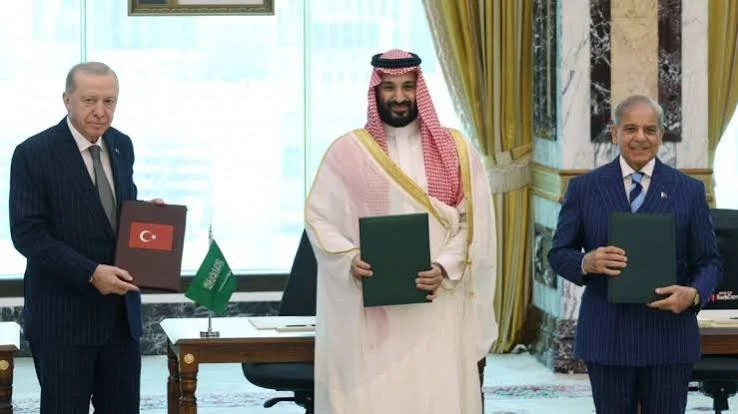
Saudi Arabia's Security Diversification: An Alliance with a NATO Member and Nuclear Power
Saudi Arabia is broadening its military partnerships through overlapping regional security guarantees. The inclusion of Pakistan, a nuclear power, and Turkey, a NATO member, creates strategic ambiguity as to how the mutual defence will be operationalised

Sanctions and Adaptation: How Sanctions Competition Is Evolving
Western sanctions are increasingly targeting Russia's energy logistical networks alongside its energy exports. Russia's expanding LNG transport network suggests the country anticipated further Western sanctions and implemented adaptation measures to preserve energy flows.

U.S. Investment Highlights Shift Towards Critical Mineral Supply Chain Resilience
The U.S. is expanding domestic critical mineral processing capacity to reduce its dependence on China. The White Mesa Mill expansion highlights a broader shift towards integrated critical mineral supply chains, industrial processing, and national security.
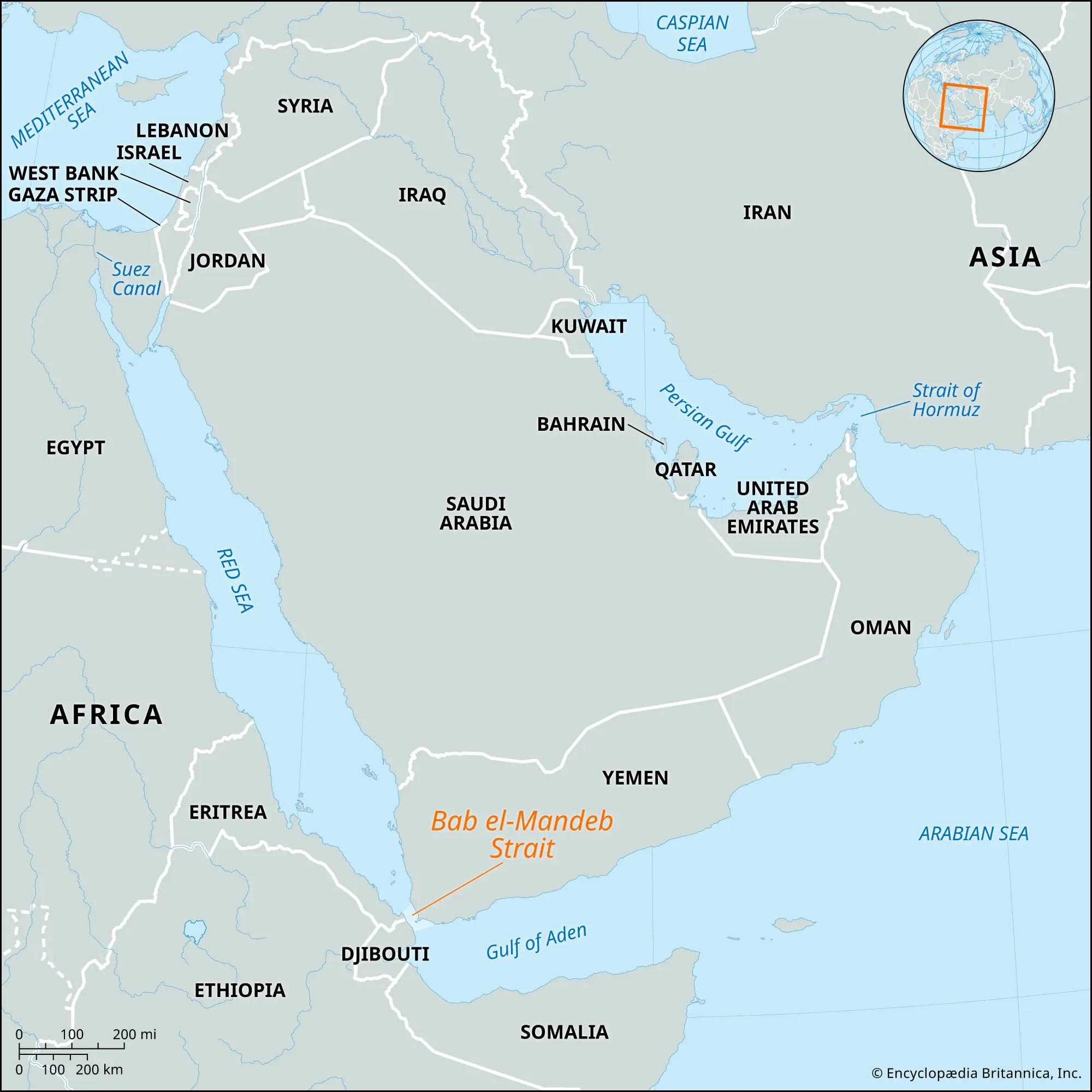
Red Sea Shipping Data Indicates Commercial Disruption Following Houthi Attacks
Latest shipping data indicates Houthi attacks are influencing commercial shipping behaviour in the Red Sea. Although attacks have been limited, reduced transit volumes suggest threats alone are sufficient to alter commercial decision-making without requiring control of Bab al-Mandeb.

China’s Critical Mineral Processing Leverage Against Europe
China's announcement that it would impose bans on 14 European companies suggests its leverage of critical mineral sanctions is expanding beyond previous disputes with the U.S. and Japan.
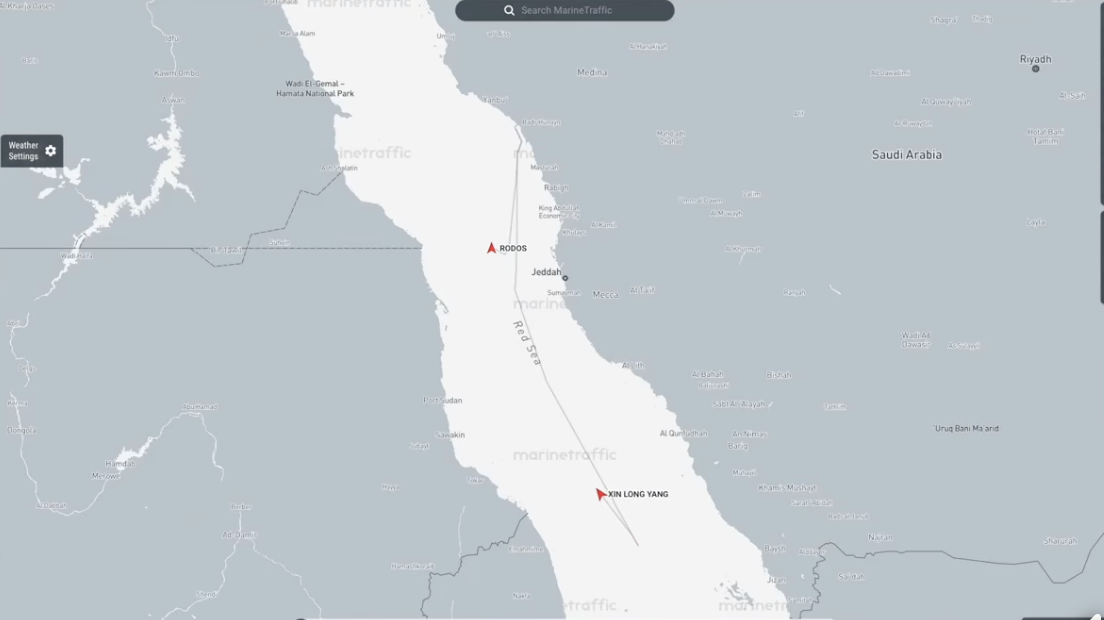
Houthi Threats Begin to Disrupt Commercial Shipping in the Red Sea
Commercial shipping behaviour does not indicate that the Houthis have established control over Bab al-Mandeb. Rather, it suggests their threats are already influencing routing decisions and increasing commercial risk.