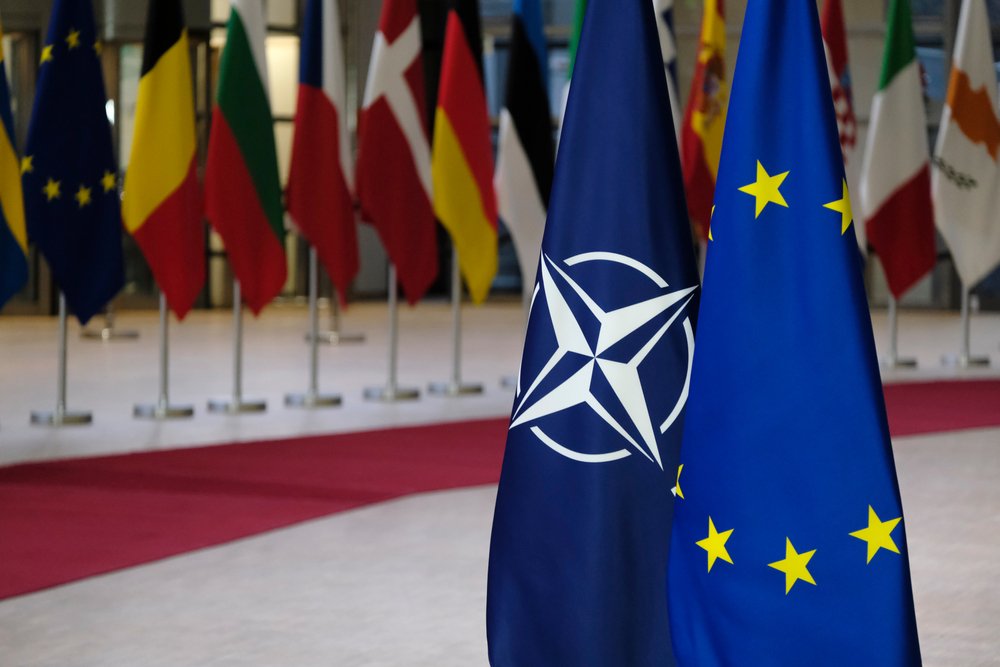
NATO and the EU: An Emerging Alignment of Defence Roles
The EU–NATO defence relationship is aligning through funding and capability targets to accelerate the delivery of defence objectives. Rather than institutional competition, the relationship functions more as an interconnected system, with each institution taking specific roles within European defence.
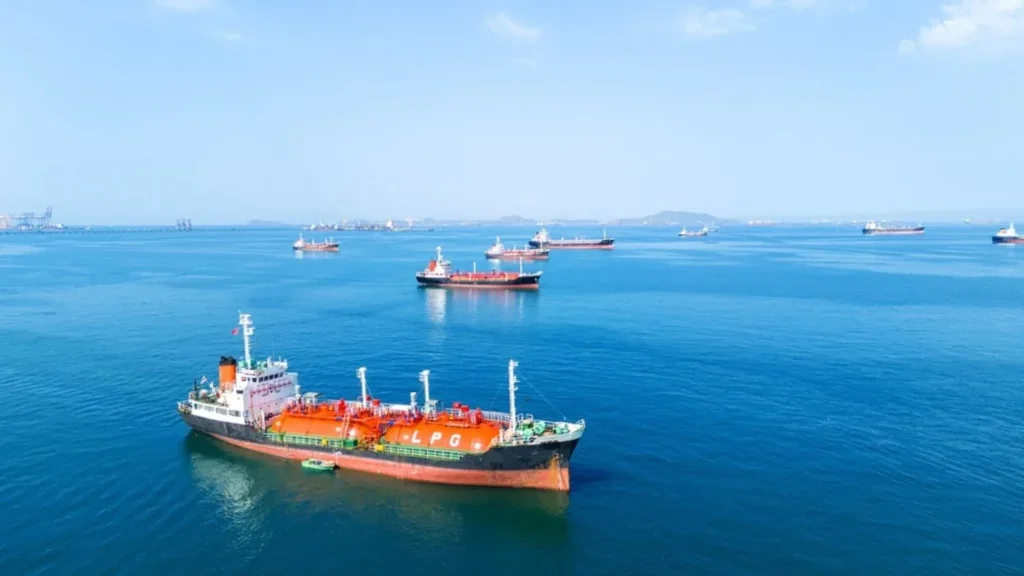
Chokepoint Route Resilience: Expanding Alternative Trade Routes
Chokepoint disruption has accelerated the development of alternative routes and increased the use of existing infrastructure. Resilience to chokepoint disruption increasingly appears to depend on having multiple options and to be determined by the geographical location of importers.
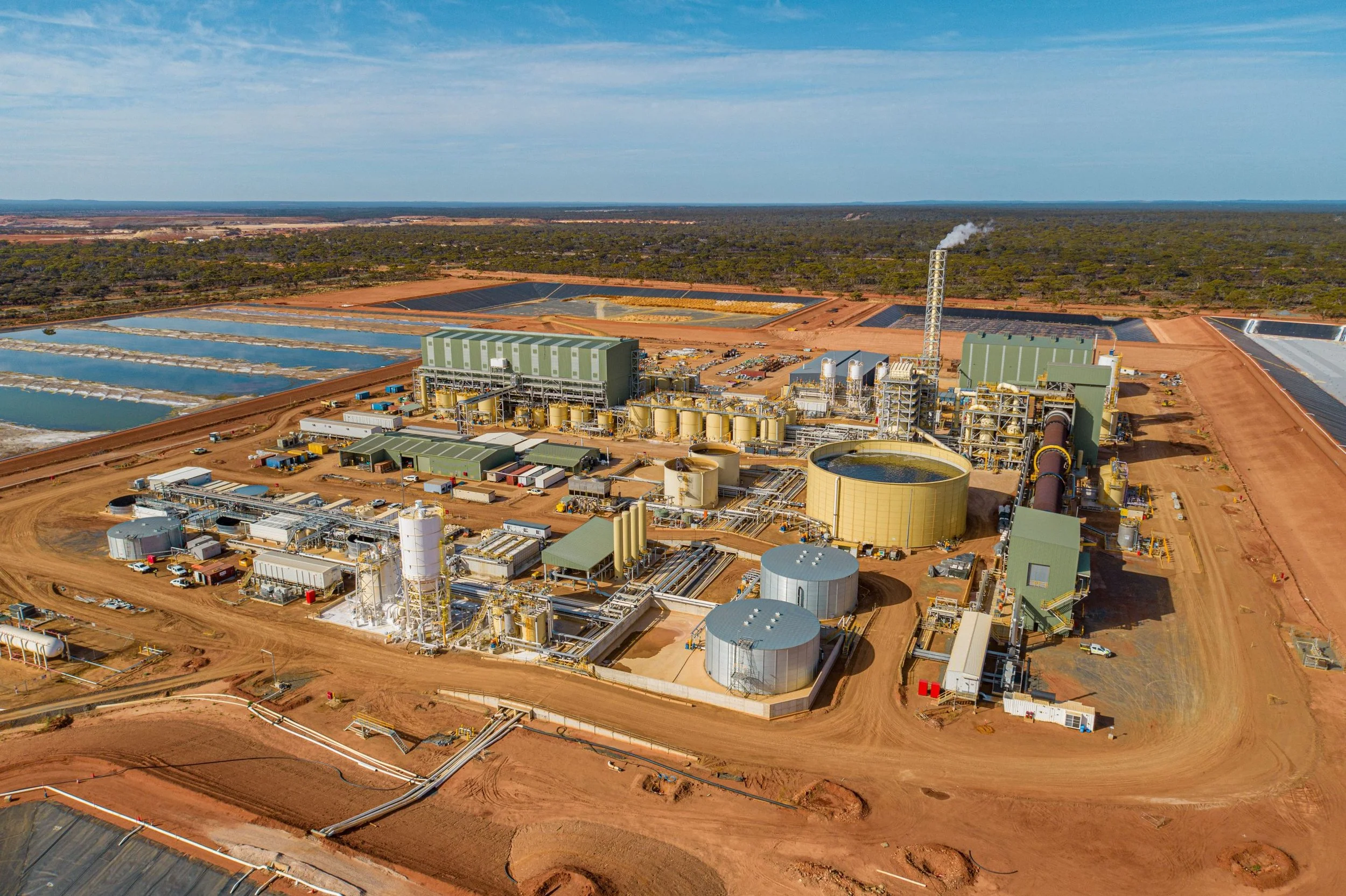
Critical Mineral Competition and Building Processing Capacity
Competition for critical minerals is extending beyond securing mineral deposits towards developing industrial processing capacity and strengthening supply chain resilience.
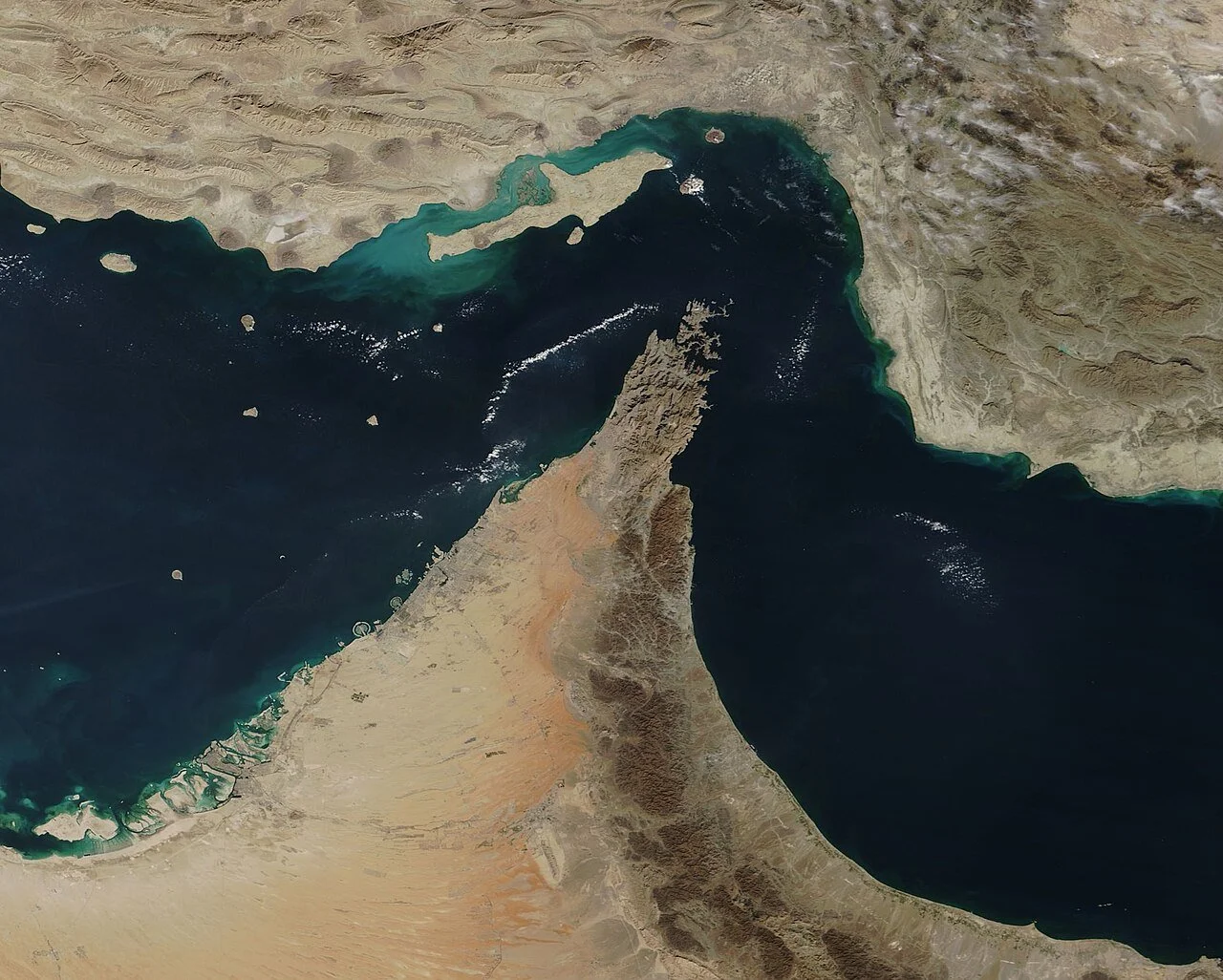
Chokepoint or Control Point? Guardians of the Strait.
Transit through the Strait is increasingly shaped by the interaction of military, commercial, diplomatic and legal factors.
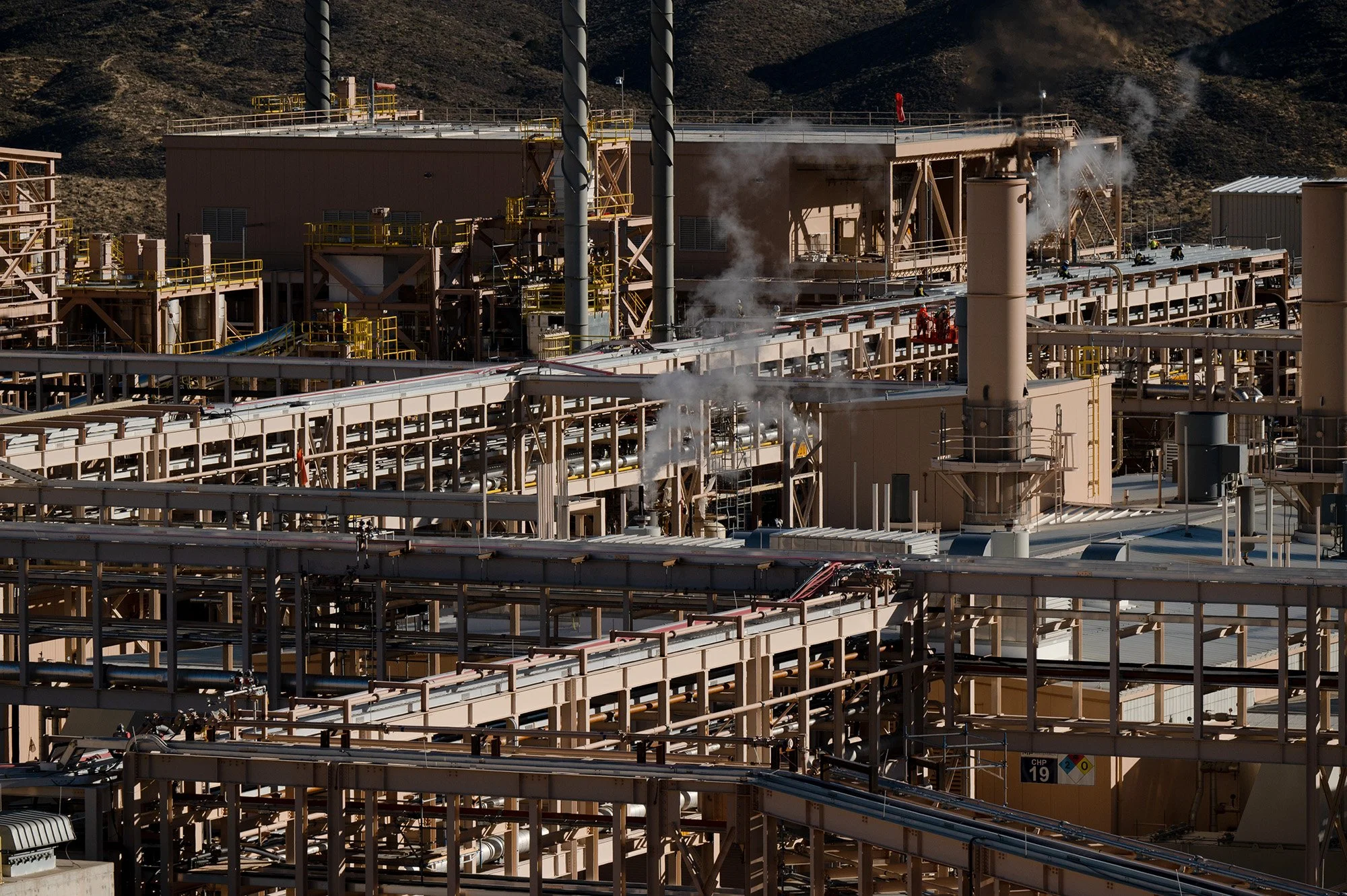
Critical Mineral Competition: Restrictions, Disruptions and Resilience
Japan’s experience highlights that supply chain competition is not only about access to critical minerals but also about the industrial capacity to process and distribute them.

Before the Battlefield: Industrial Power, Supply Chains and Strategic Resilience
Competition is not only about hard power and armed forces but also about ensuring countries have the industrial base to sustain military power. Strategic competition is becoming noticeably about resources, supply chains, manufacturing, and energy security that underpin military power.
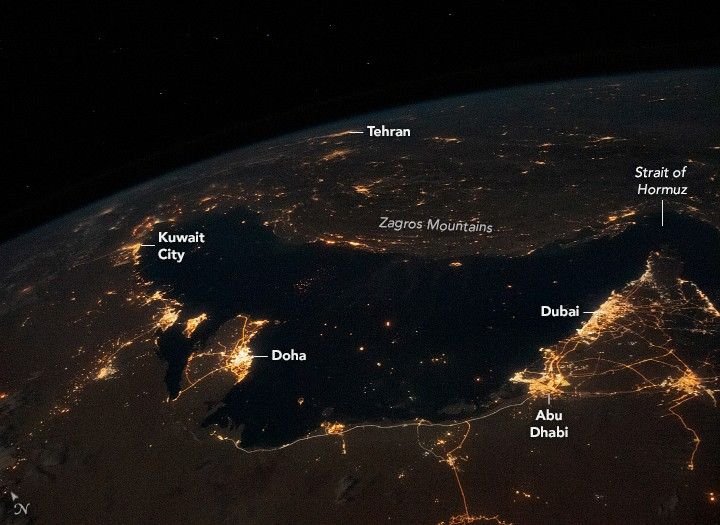
Hormuz: From Chokepoint to Control Point
The Strait has traditionally been viewed as a chokepoint primarily under Iranian control. Recent shipping data and reports suggest commercial vessels are using different routes, shifting the focus from whether vessels can transit to how the Strait is functioning.
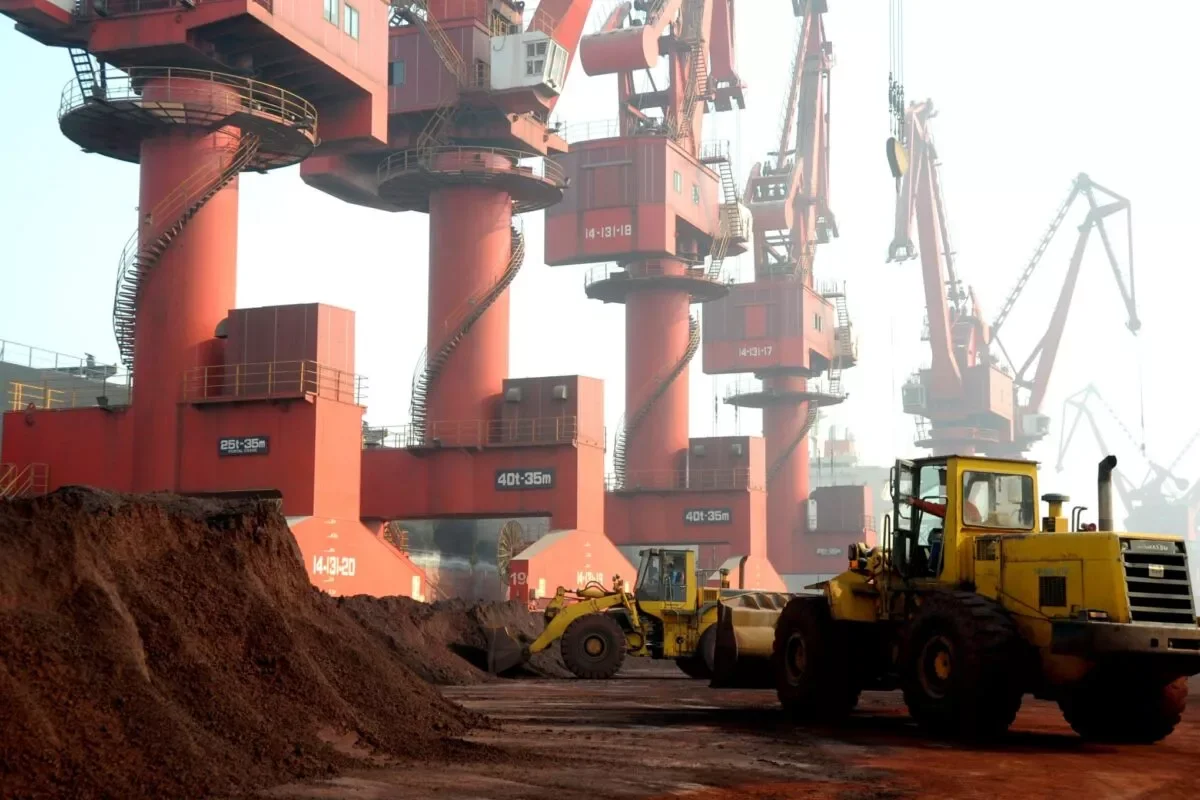
Strategic Resources: Critical Mineral Diversification and Emerging Markets
Critical minerals are increasingly being viewed as strategic resources linked to industrial, economic, and national security interests.
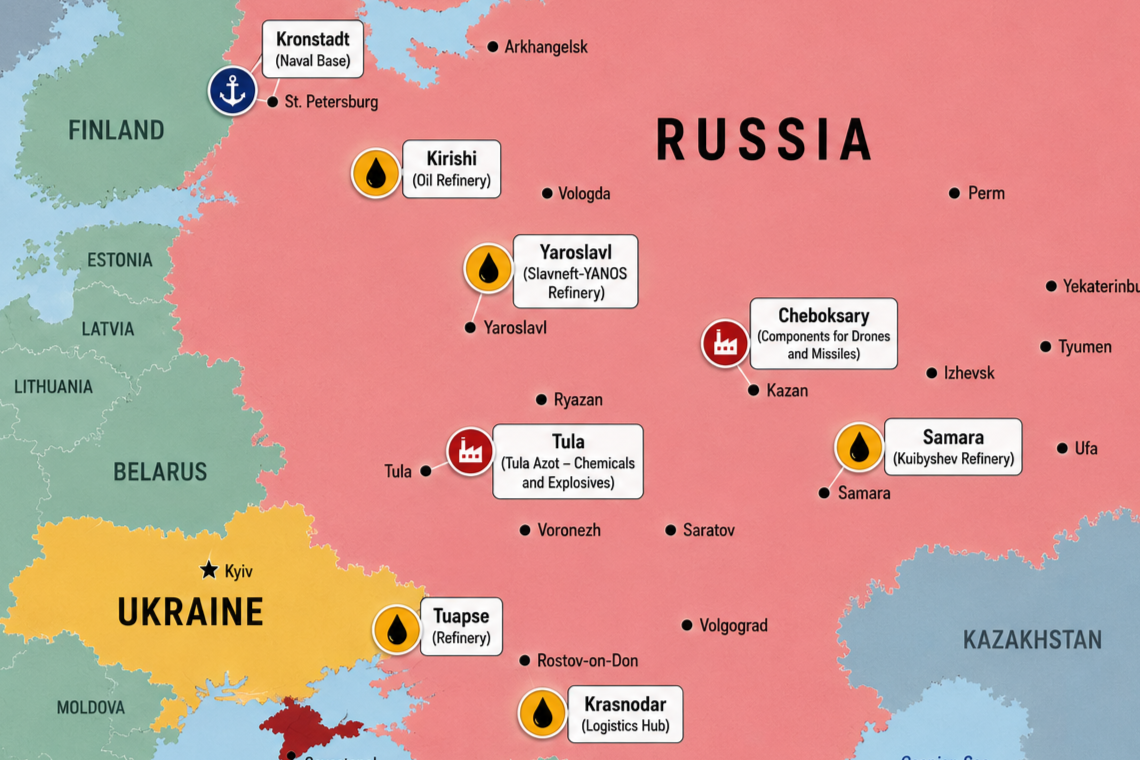
Systems Sanction: A Russian Pressure Campaign
What was more a war of attrition has evolved into one where resilience, adaptation, and supply chains are increasingly crucial.
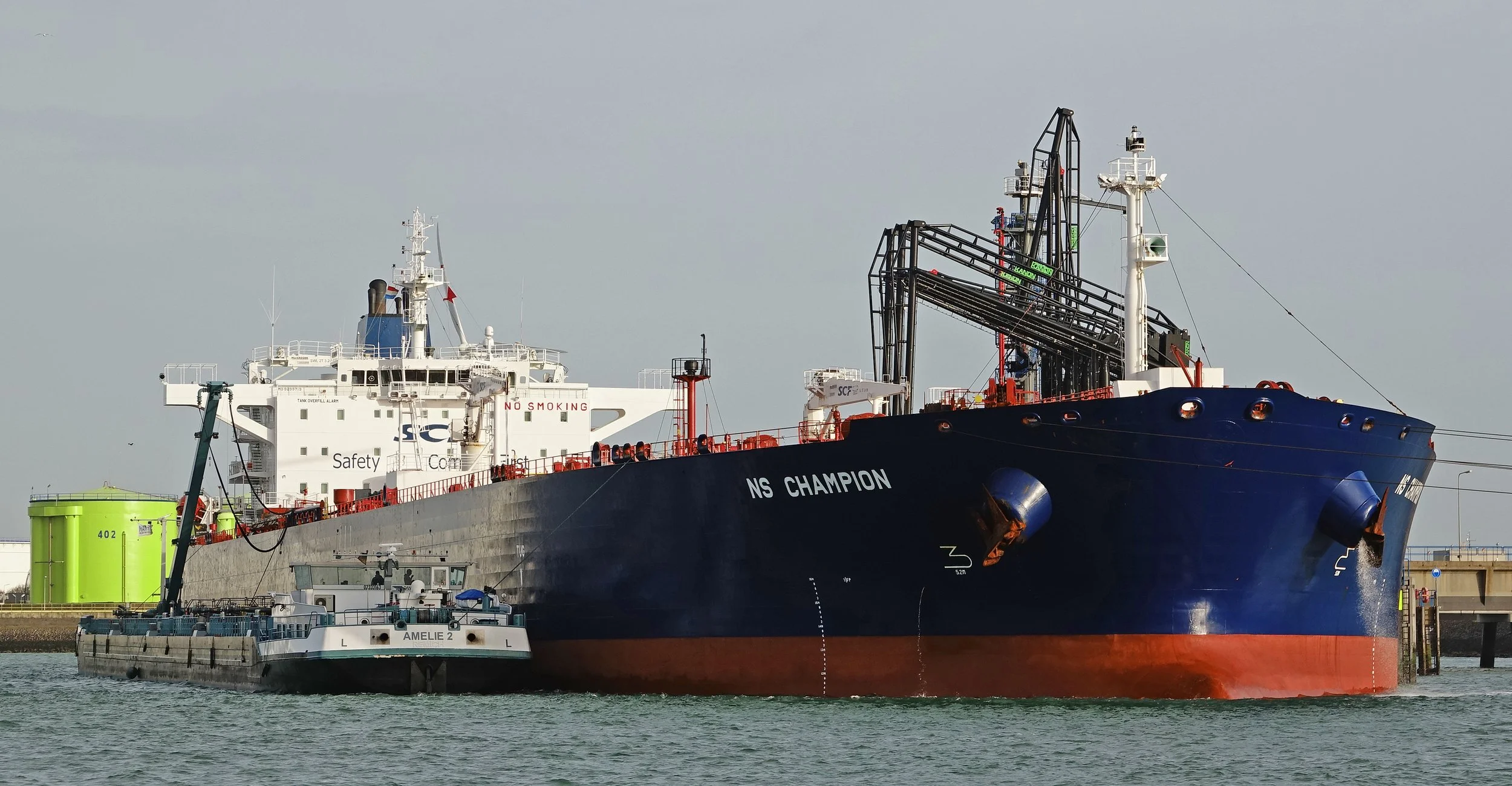
Sustaining Power: The Role of Infrastructure and Systems in Conflict
In a globalised world, targeting systems that support economic or military power may be how power is increasingly contested. Sanctions, disruption, or strikes on infrastructure, logistics, energy, shipping, or financial markets are part of the modern battlefield.

The Indo-Pacific’s Strategic Shift: Asia’s Changing Security Environment
The reported deal signed between India and Vietnam for BrahMos supersonic cruise missile systems could be more than an arms transfer.
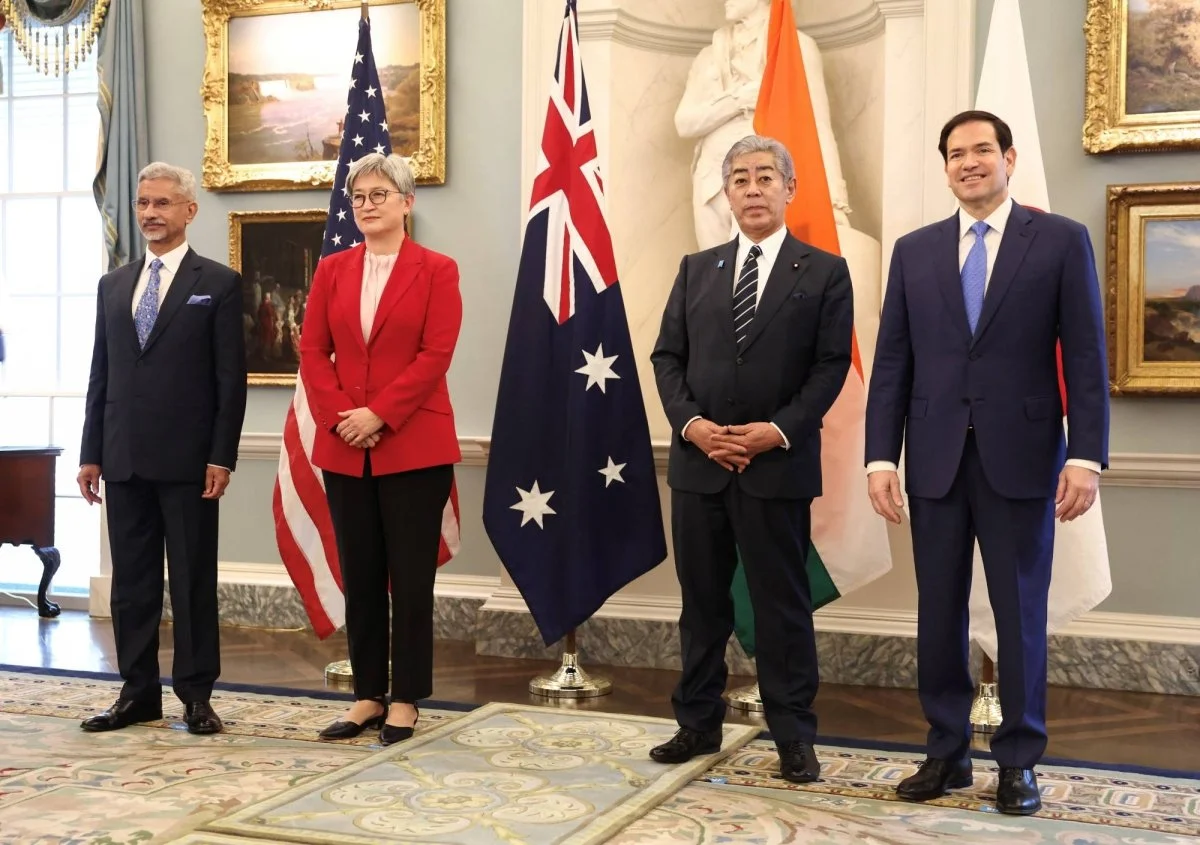
Quad-Fiji: Supply Chains, Security, and a Regional Voice
The Quad-Fiji agreement may indicate the Quad becoming more operational in the Indo-Pacific
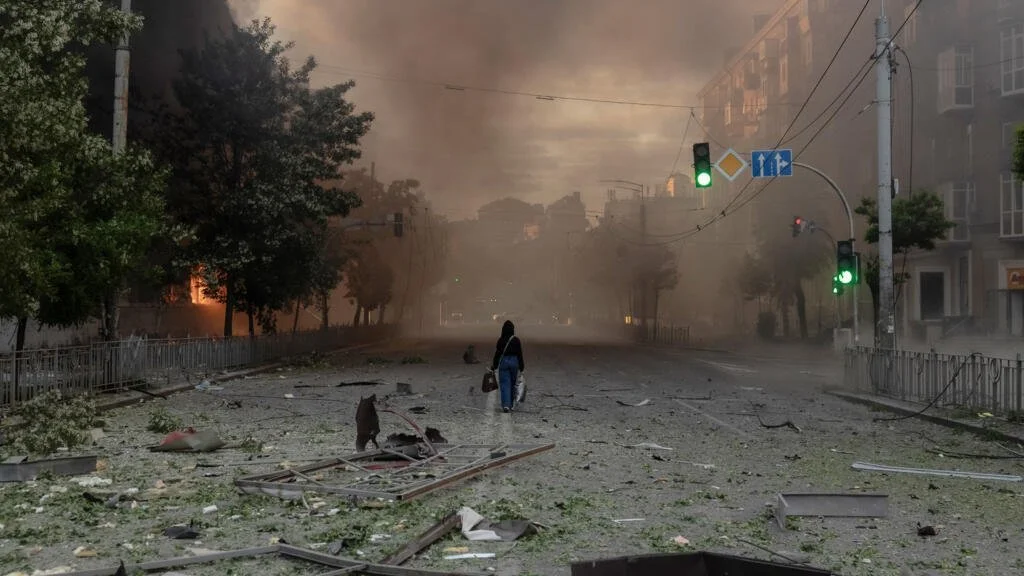
Beyond the Frontline: Russian Retaliation Against Ukrainian Drone Strikes
Russia's missile barrage over the weekend could be interpreted as force projection following setbacks on the front line.
Beyond the Frontline: Ukraine’s Infrastructure Disruption Strategy
Ukraine’s ability to influence frontline outcomes through systems and supply disruption indicates the war is becoming a battle of attrition.
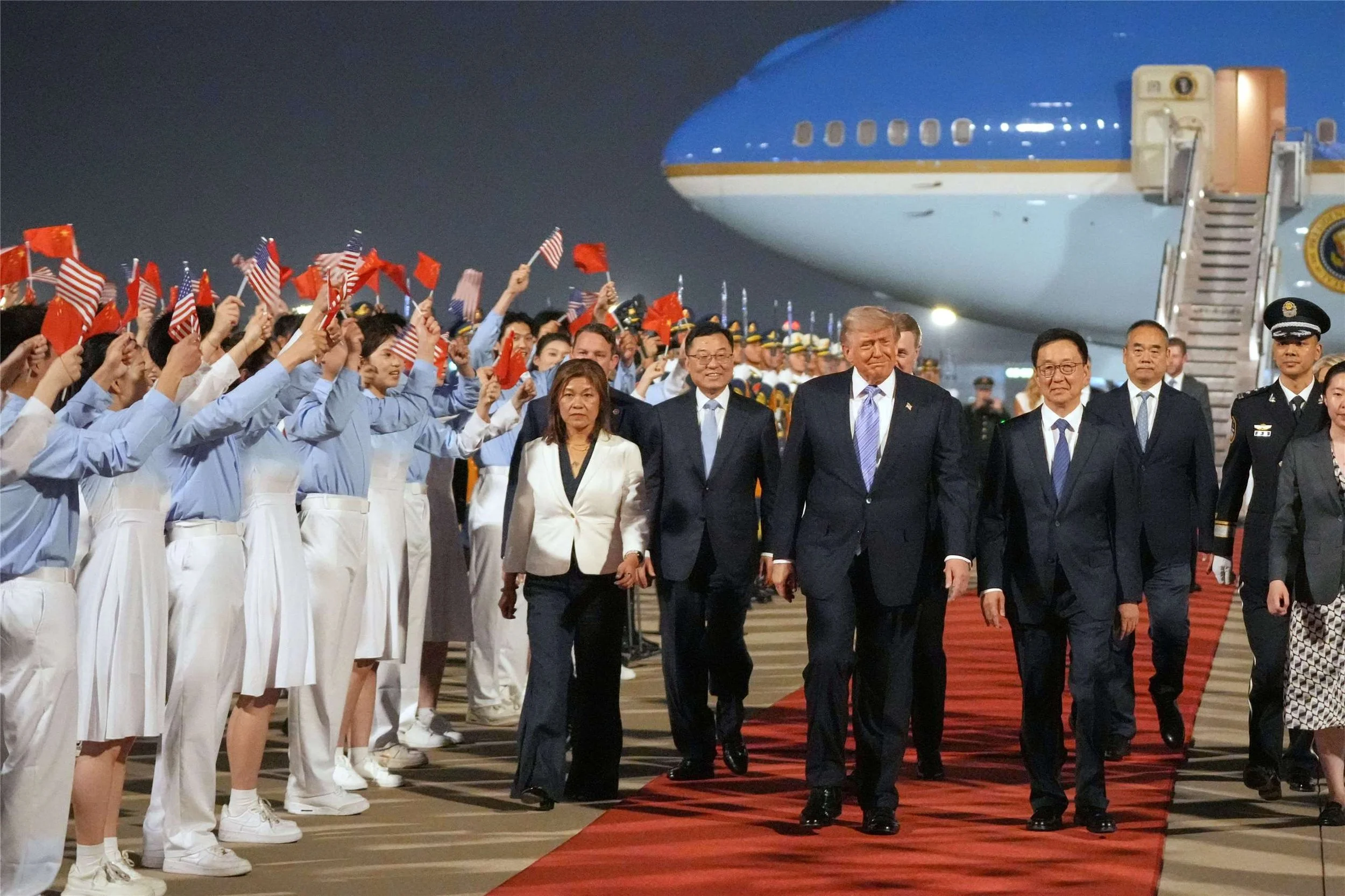
Managed Competition: The U.S.-China Stabilisation Phase
The U.S.-China summit ended without any major outcomes. Instead, the meeting was an assessment of positions on a range of topics, with attempts at stabilisation.

Financial Chokepoint: Economic Fury Targeting Evasion Systems
The U.S. is now targeting Chinese refineries and financial networks associated with the Iranian oil trade.
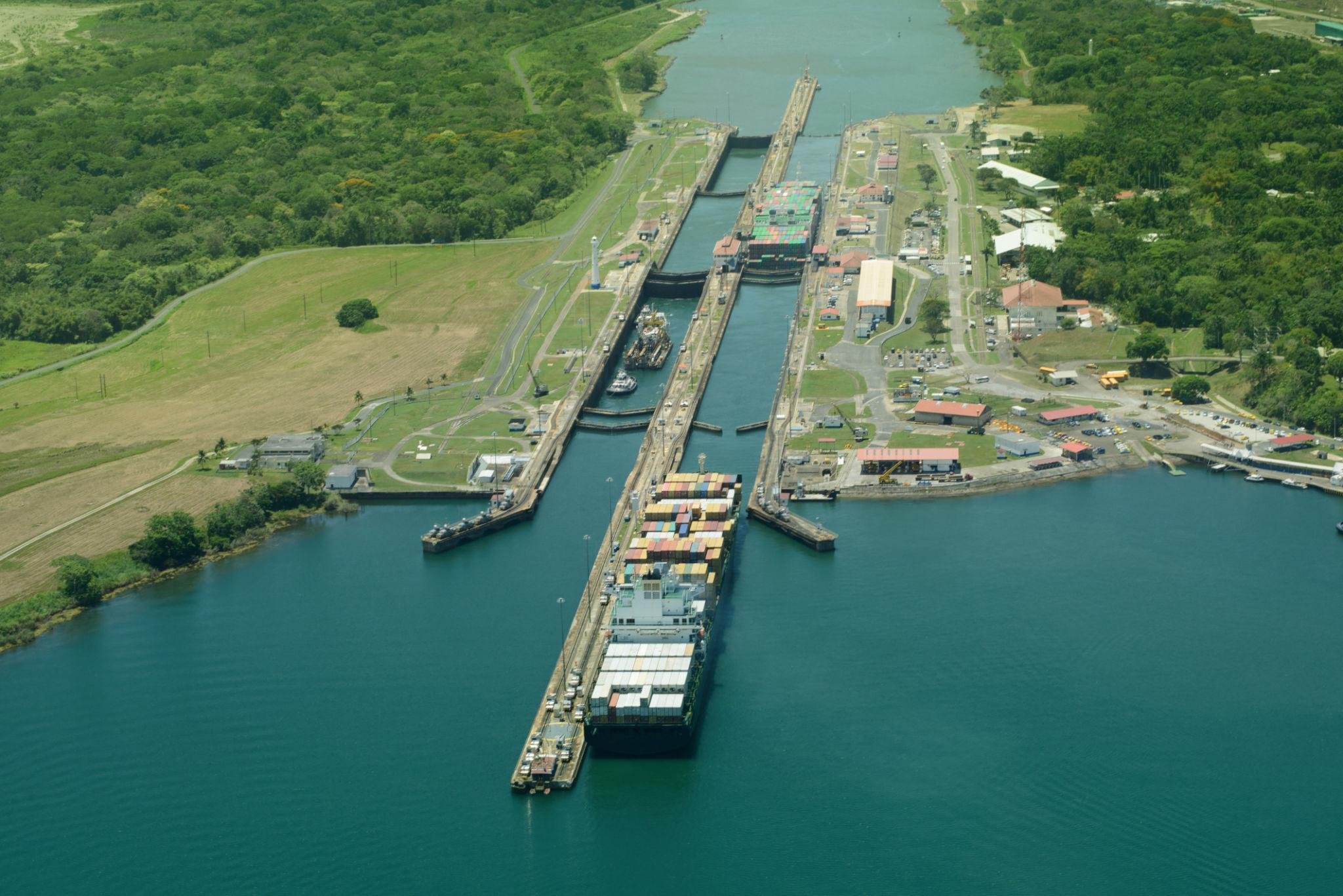
Monetised Maritime Chokepoints: How Access is Becoming a Revenue Stream
Chokepoints are becoming revenue streams where access is shaped by demand.
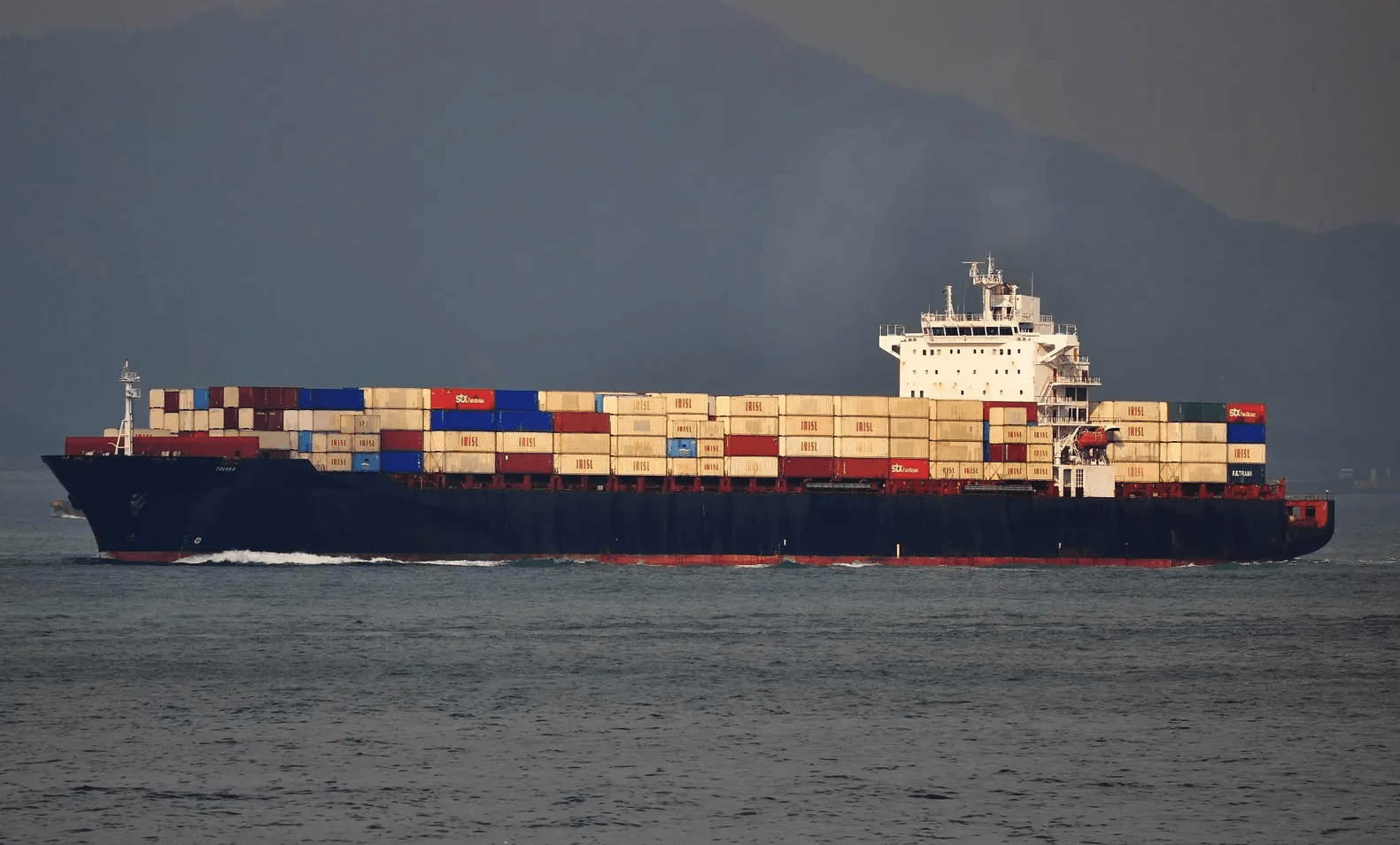
Controlling the Flow: The U.S. Maritime Enforcement Strategy
The specific targeting of vessels signals how the U.S. aims to control maritime space beyond the blockade.
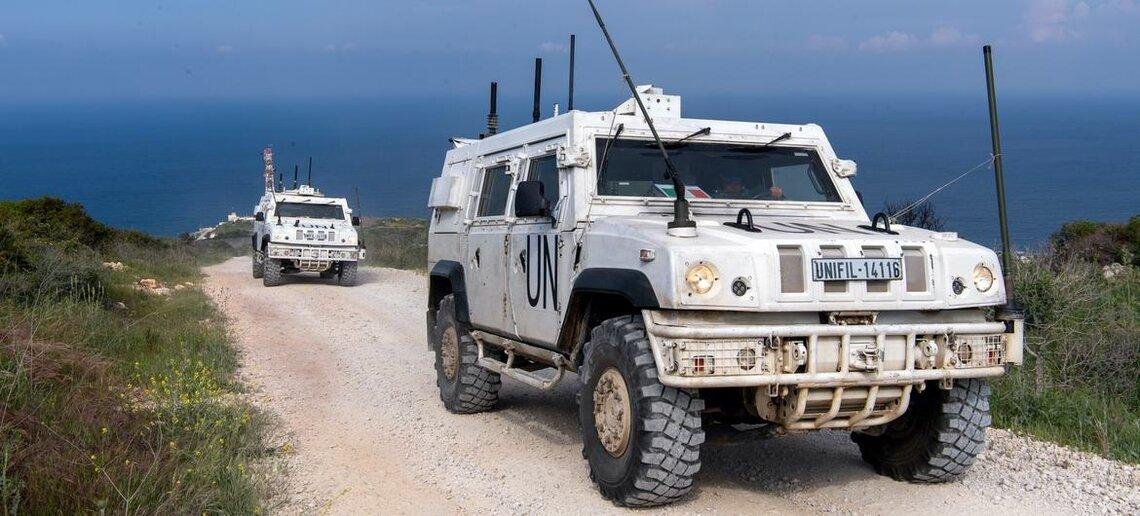
Buffer Zone Under Pressure: UNIFIL Exposed in Southern Lebanon
The recent deaths of UN forces along the Israel-Lebanon border indicate the increasing exposure of neutral forces to conflict. T
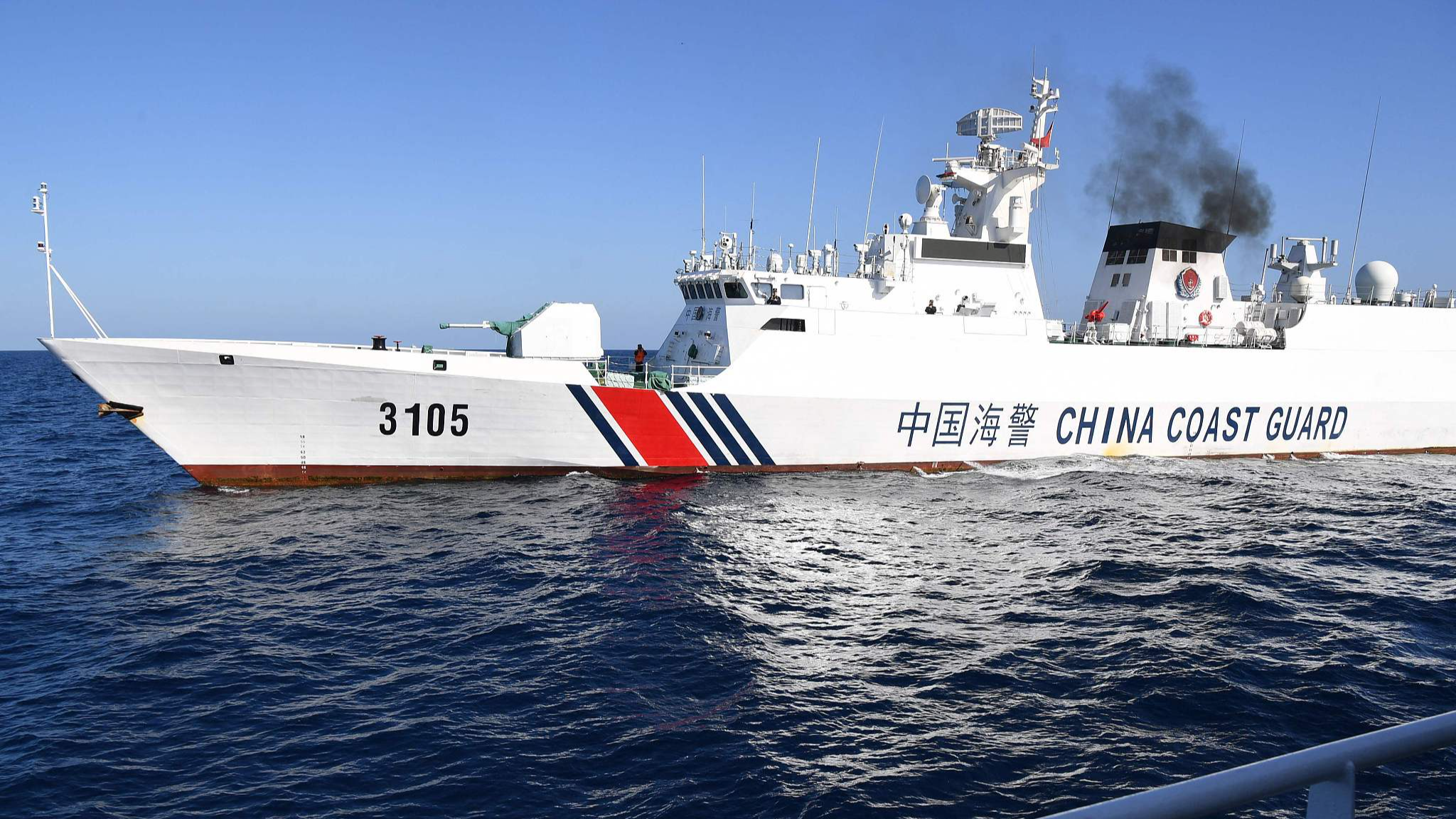
Conditional Access: How Navigation Is Being shaped in the South China Sea
The South China Sea continues to be a disputed maritime domain where states are shaping territorial influence through access.