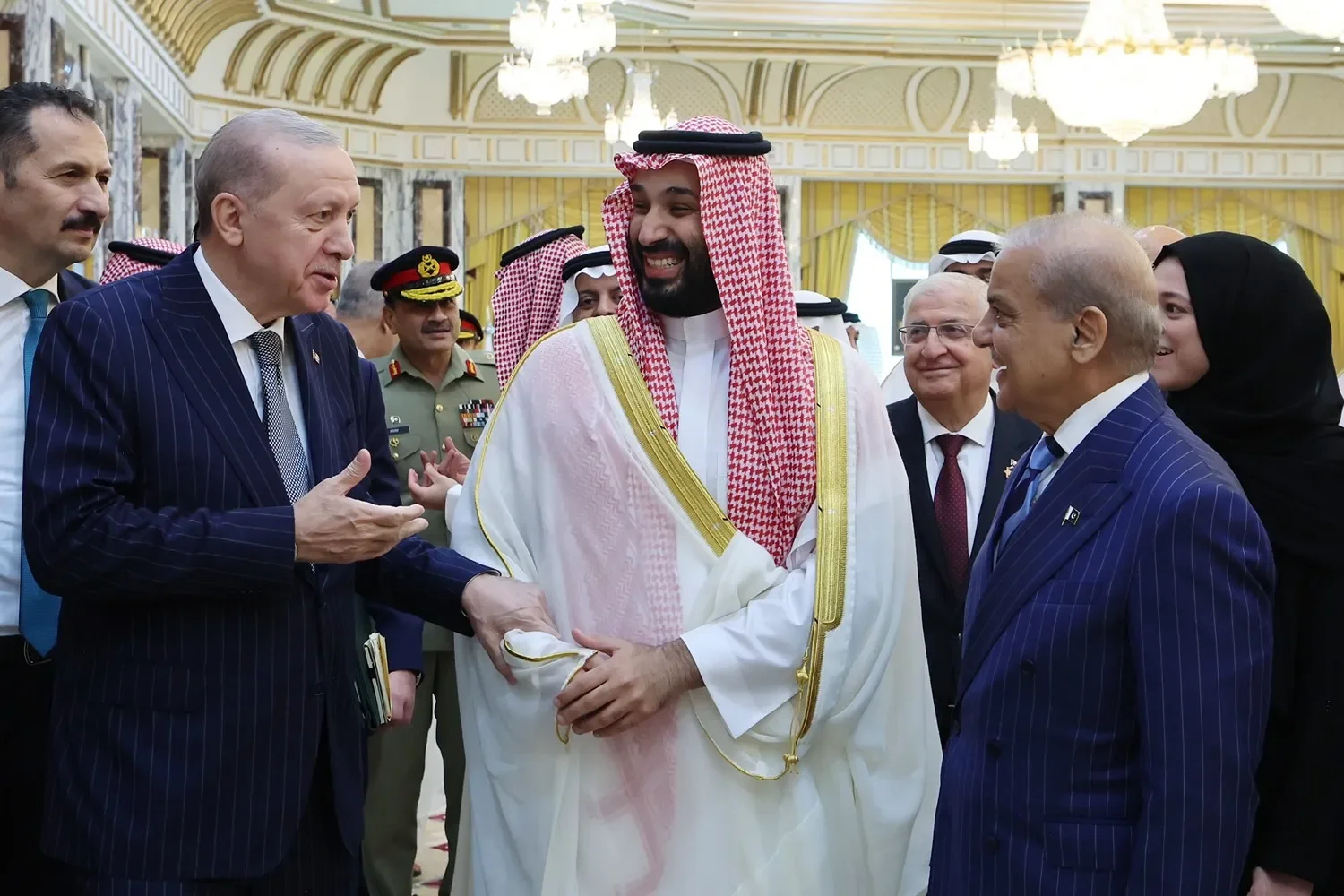
Yemen Conflict Accelerates the Operationalisation of the MECCA Agreement
Escalation in Yemen and Houthi attacks against Saudi Arabia are accelerating the operationalisation of the MECCA Agreement, with partners moving towards deeper military cooperation, institutional development and collective defence.
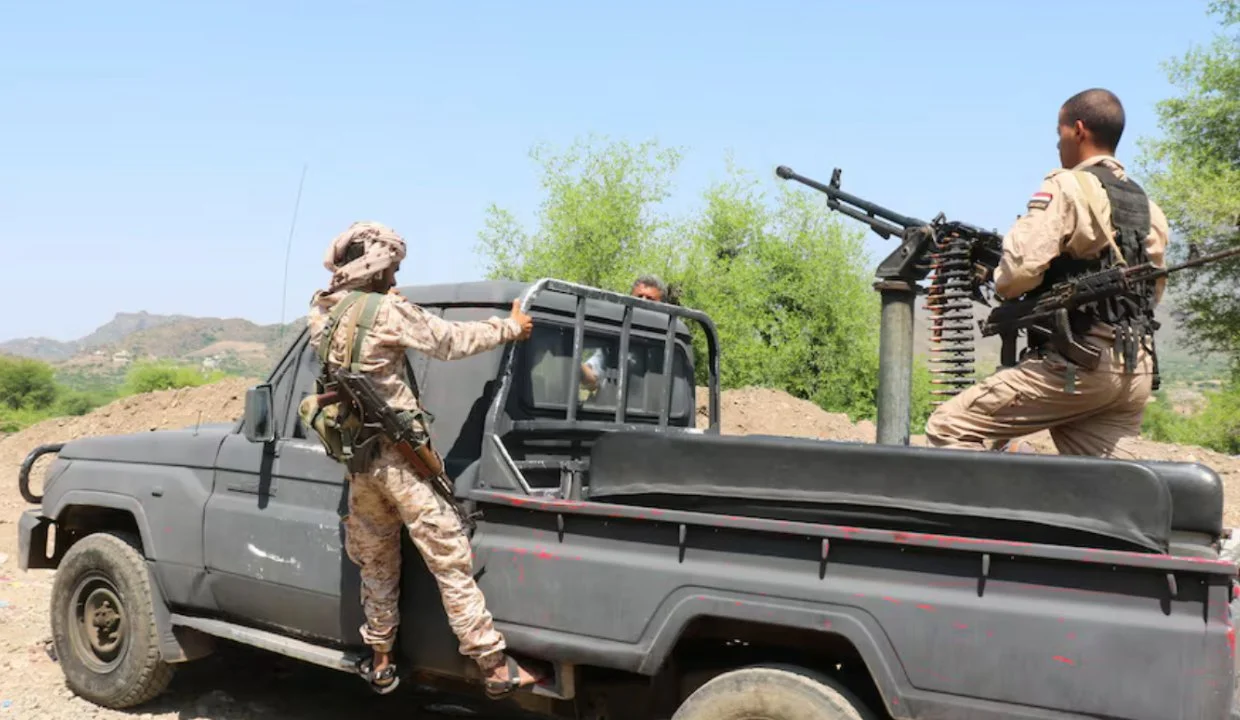
Saudi-Backed Offensive Aims to Counter the Houthi Maritime Threat
Saudi Arabia has coordinated with Yemeni government forces alongside its defence partner Pakistan, suggesting the Kingdom is seeking a limited partner-based intervention. Although a successful military campaign could reduce risks to commercial shipping, it may also result in a greater Houthi response against Saudi critical infrastructure.
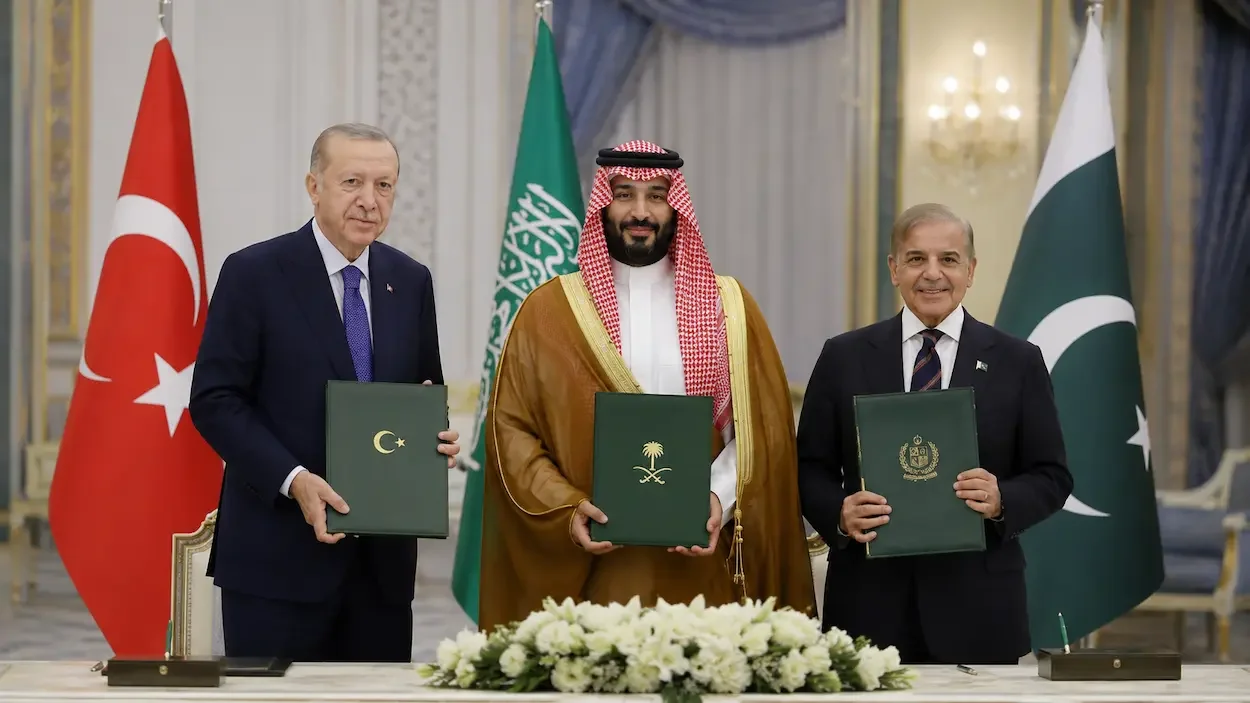
Saudi–Houthi Escalation Testing Defence Alliances and Partnerships
Houthi attacks are testing whether Saudi security alliances and partnerships will translate diplomatic commitments into operational support, particularly the MECCA Agreement joint defence provision. MECCA partners may avoid direct military intervention to limit the risk of regional escalation, choosing to provide other security measures such as air defence, intelligence, logistics, technical support or equipment.
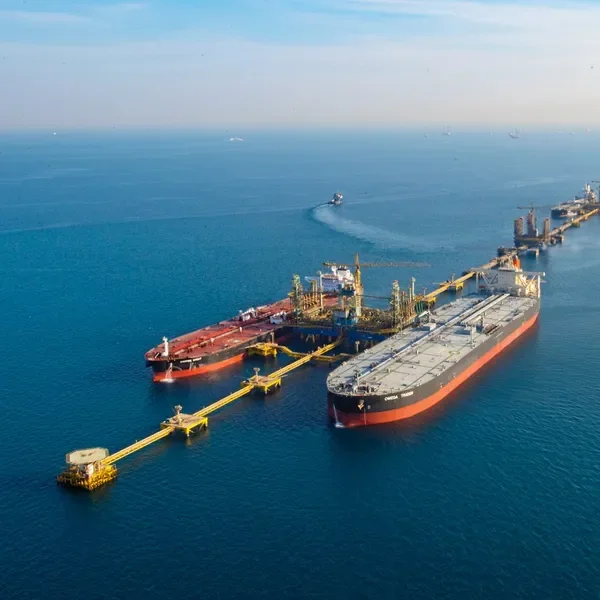
Saudi Arabia Develops Alternative Oil Routes, But at a Cost
Saudi Arabia’s adaptation has demonstrated export route resilience through developing alternative export options. With the overland East–West Pipeline now disrupted, Saudi exports have increased their reliance on maritime export movements.
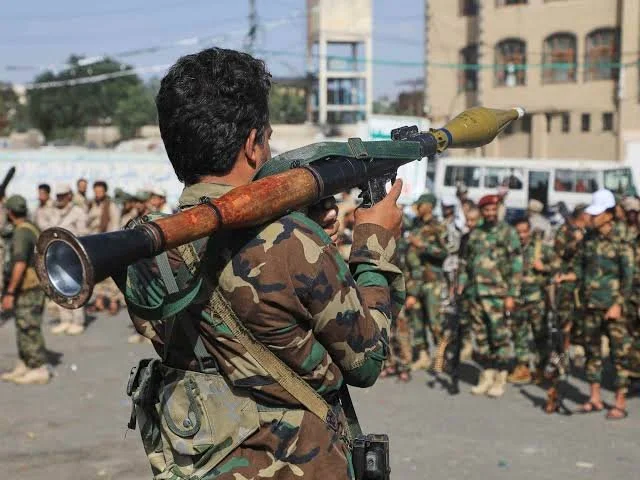
Houthi Territorial Gains and Simultaneous Chokepoint Pressure
Houthi territorial gains around Bab el-Mandeb may increase pressure on maritime traffic and Saudi Arabian oil exports. With disruption continuing in the Strait of Hormuz, the advances may create simultaneous chokepoint pressure and provide greater leverage for Iran.
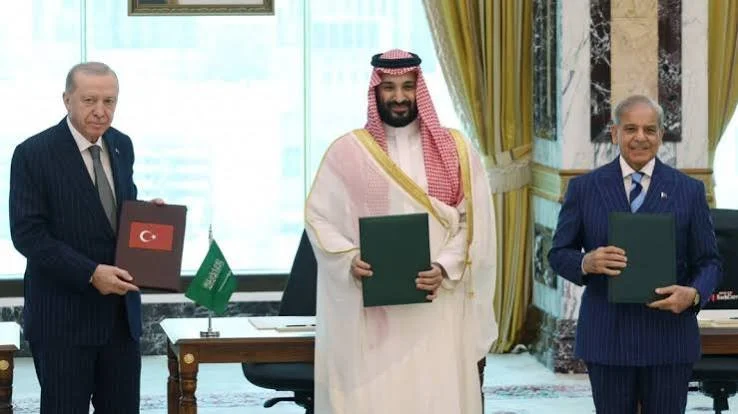
Saudi Arabia's Security Diversification: An Alliance with a NATO Member and Nuclear Power
Saudi Arabia is broadening its military partnerships through overlapping regional security guarantees. The inclusion of Pakistan, a nuclear power, and Turkey, a NATO member, creates strategic ambiguity as to how the mutual defence will be operationalised