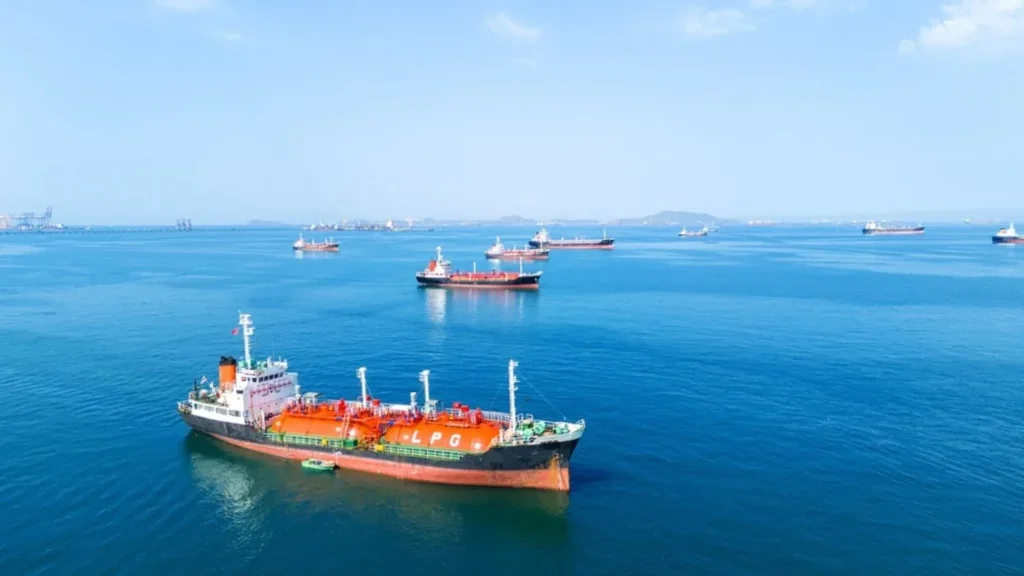
Chokepoint Route Resilience: Expanding Alternative Trade Routes
Chokepoint disruption has accelerated the development of alternative routes and increased the use of existing infrastructure. Resilience to chokepoint disruption increasingly appears to depend on having multiple options and to be determined by the geographical location of importers.
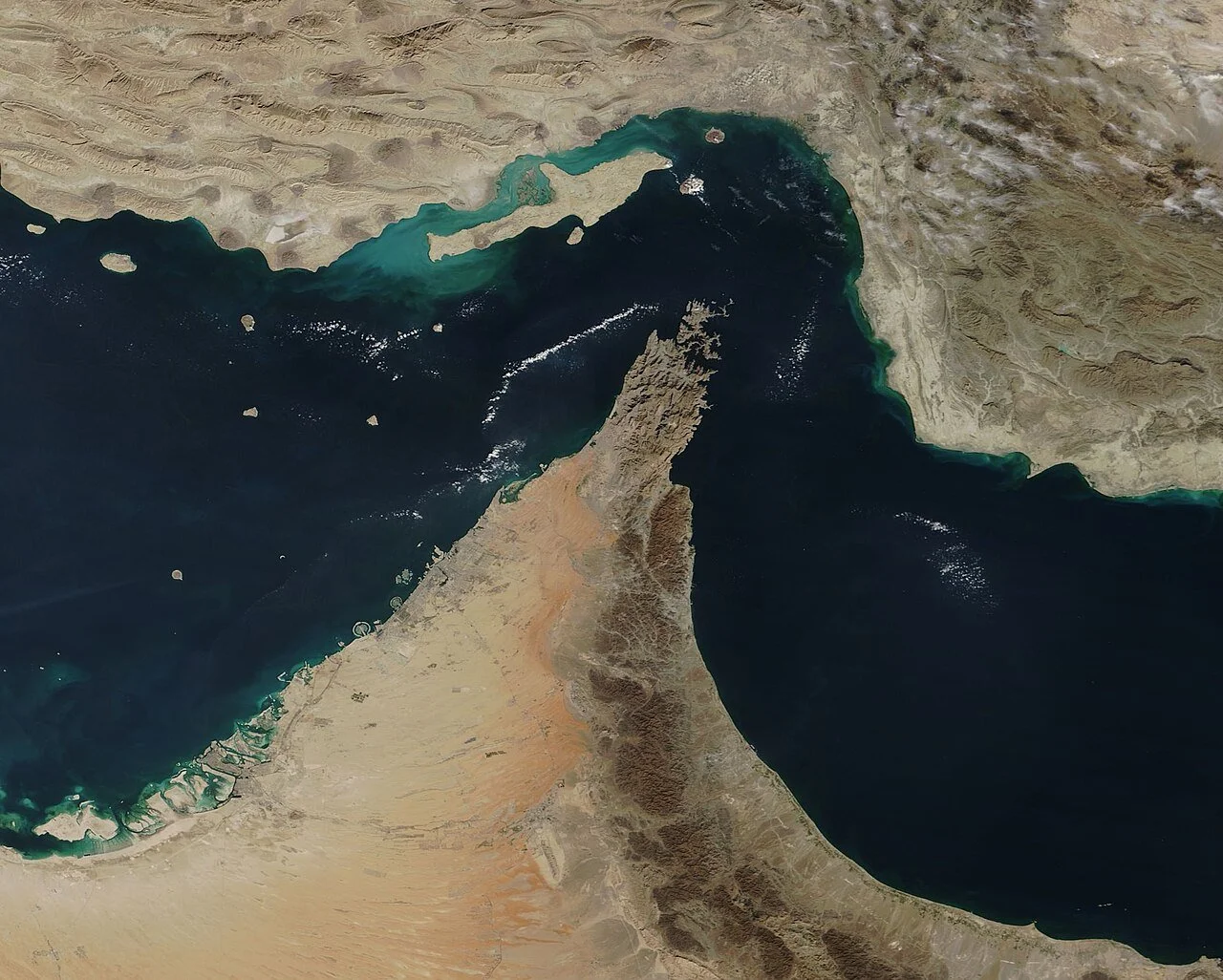
Chokepoint or Control Point? Guardians of the Strait.
Transit through the Strait is increasingly shaped by the interaction of military, commercial, diplomatic and legal factors.
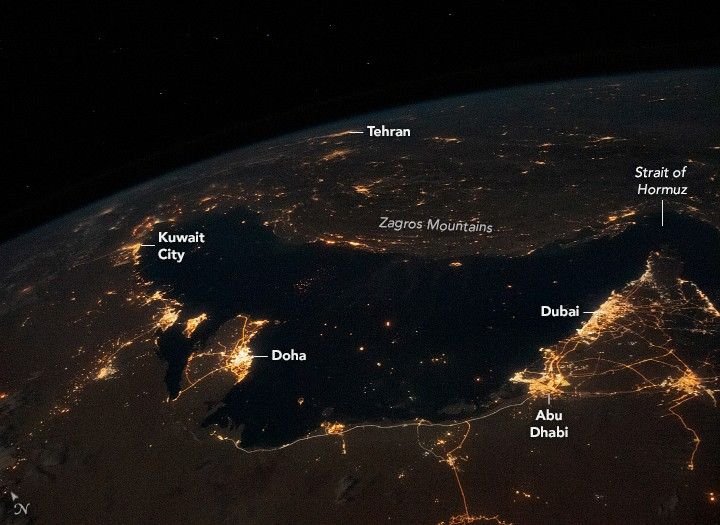
Hormuz: From Chokepoint to Control Point
The Strait has traditionally been viewed as a chokepoint primarily under Iranian control. Recent shipping data and reports suggest commercial vessels are using different routes, shifting the focus from whether vessels can transit to how the Strait is functioning.
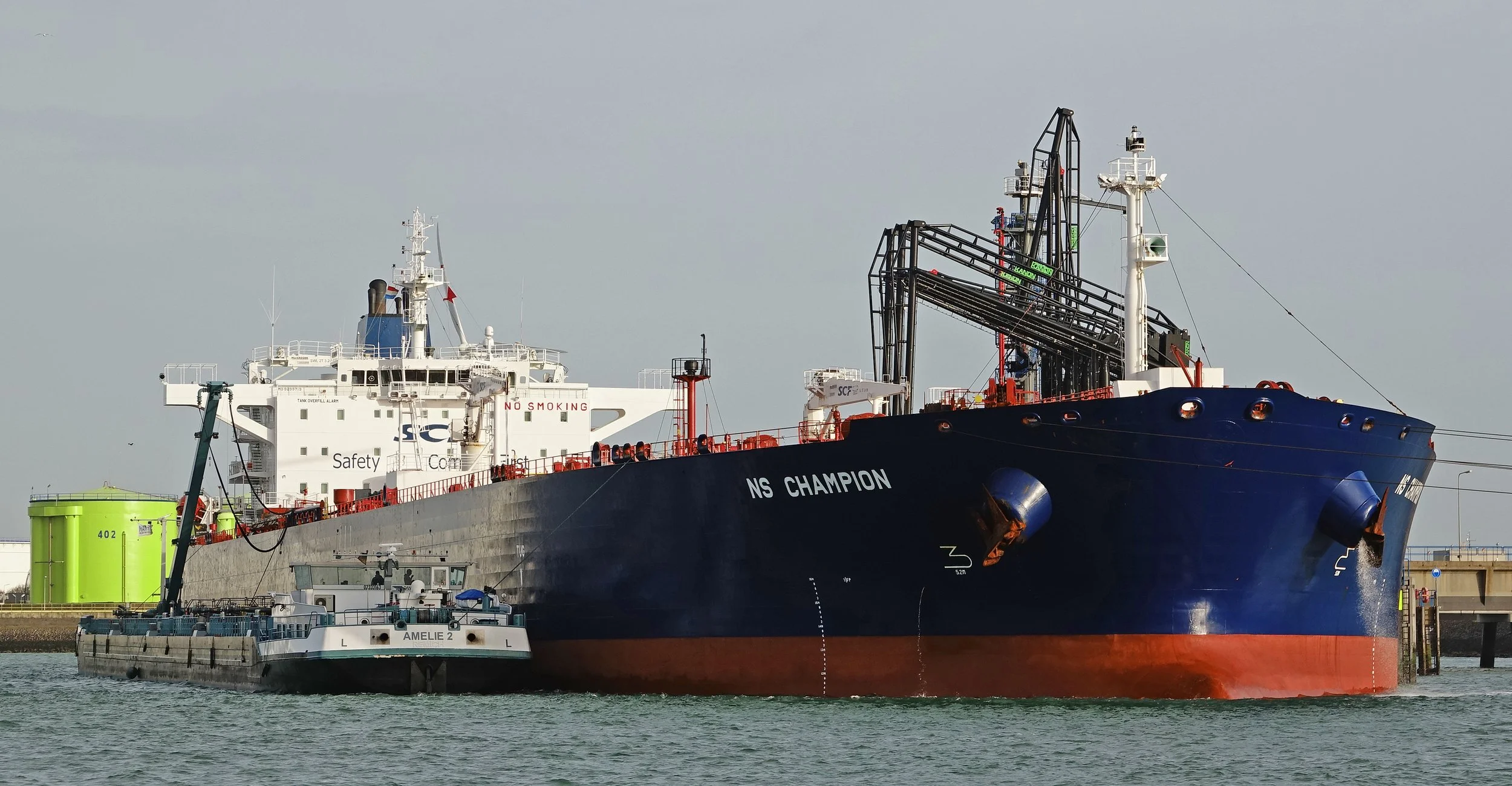
Sustaining Power: The Role of Infrastructure and Systems in Conflict
In a globalised world, targeting systems that support economic or military power may be how power is increasingly contested. Sanctions, disruption, or strikes on infrastructure, logistics, energy, shipping, or financial markets are part of the modern battlefield.

Financial Chokepoint: Economic Fury Targeting Evasion Systems
The U.S. is now targeting Chinese refineries and financial networks associated with the Iranian oil trade.
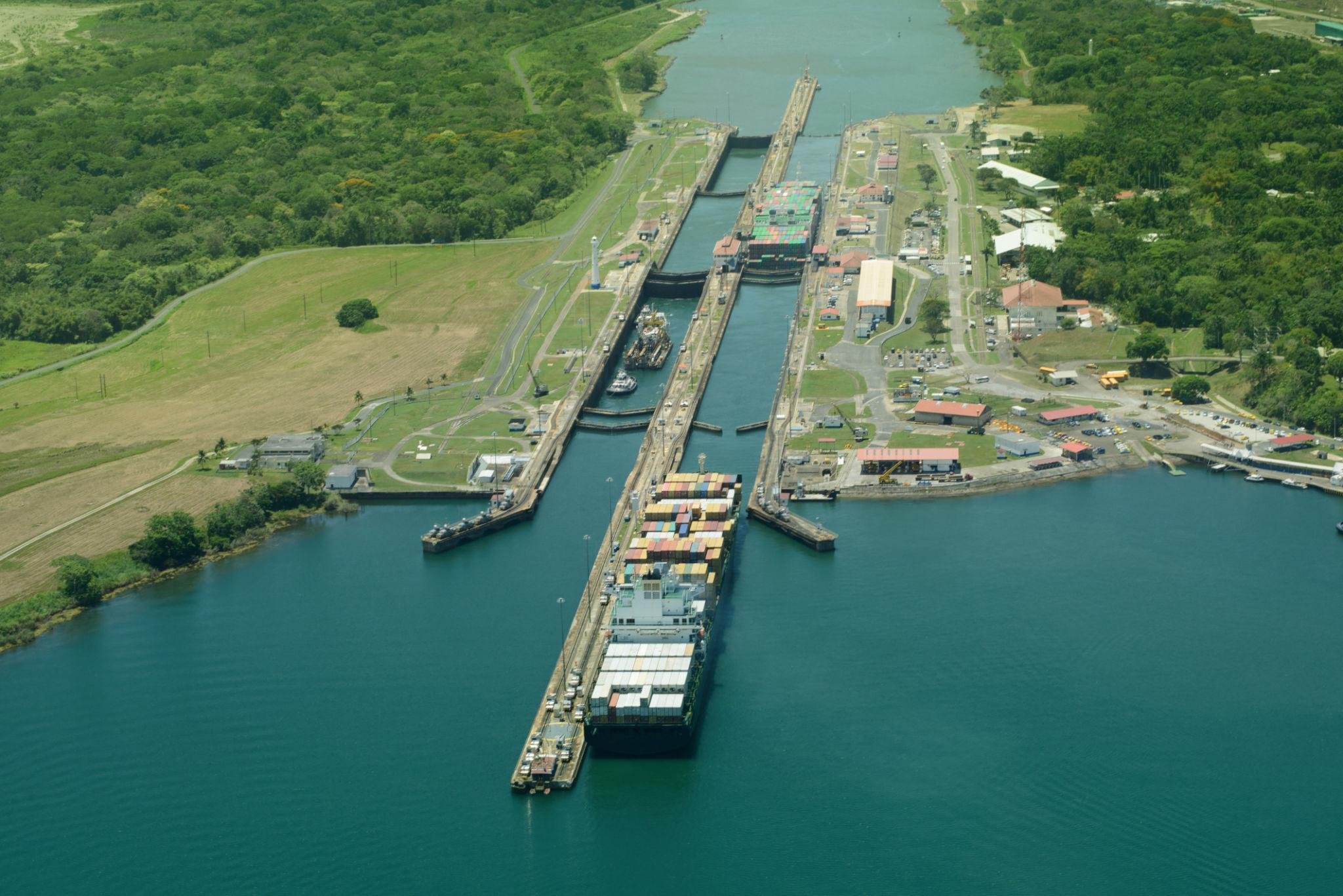
Monetised Maritime Chokepoints: How Access is Becoming a Revenue Stream
Chokepoints are becoming revenue streams where access is shaped by demand.
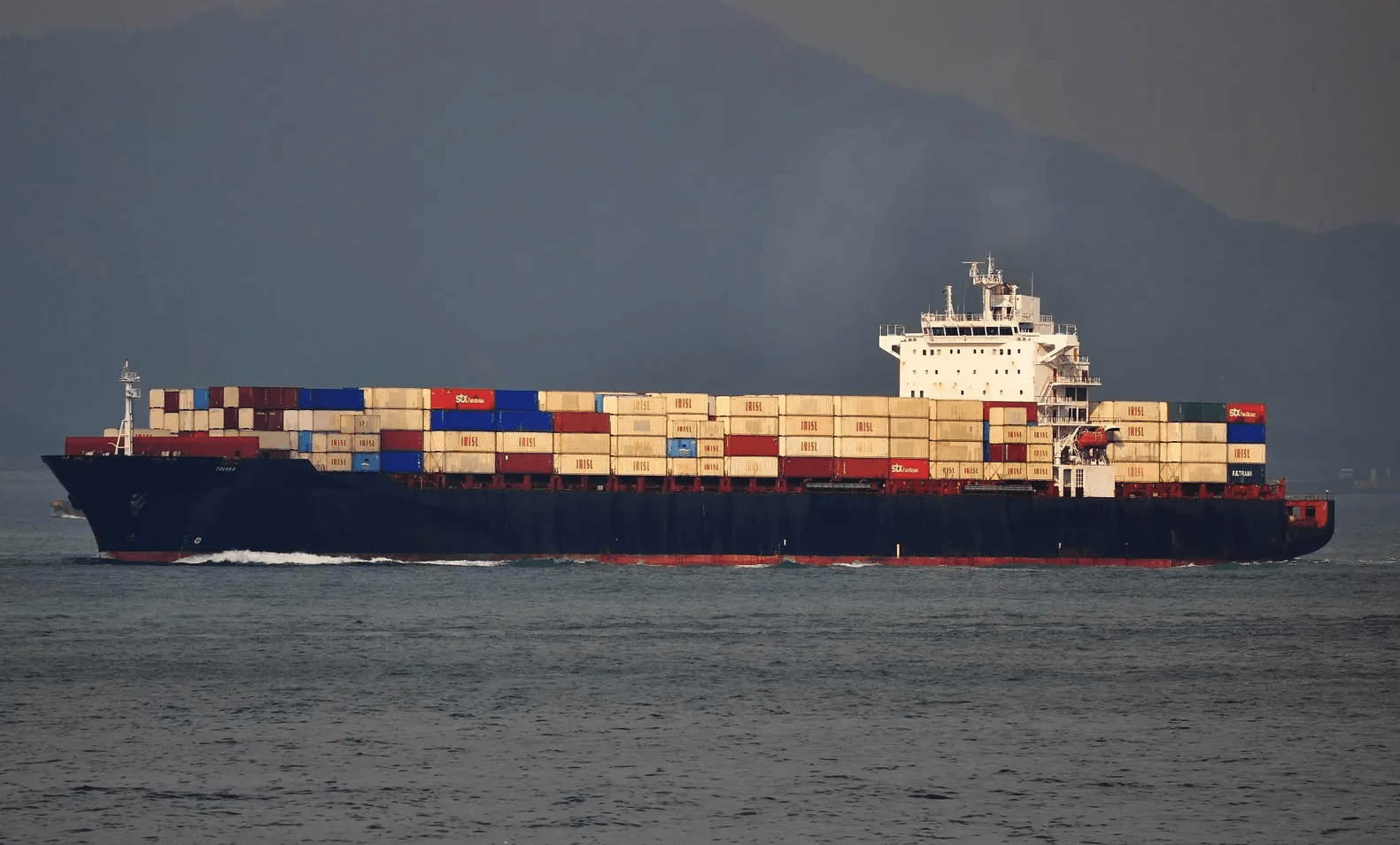
Controlling the Flow: The U.S. Maritime Enforcement Strategy
The specific targeting of vessels signals how the U.S. aims to control maritime space beyond the blockade.
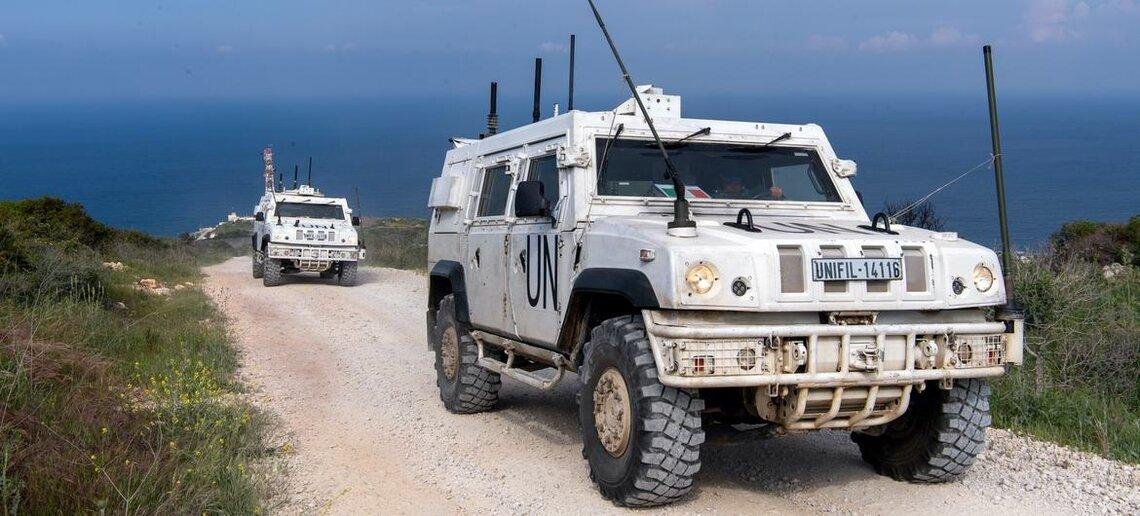
Buffer Zone Under Pressure: UNIFIL Exposed in Southern Lebanon
The recent deaths of UN forces along the Israel-Lebanon border indicate the increasing exposure of neutral forces to conflict. T
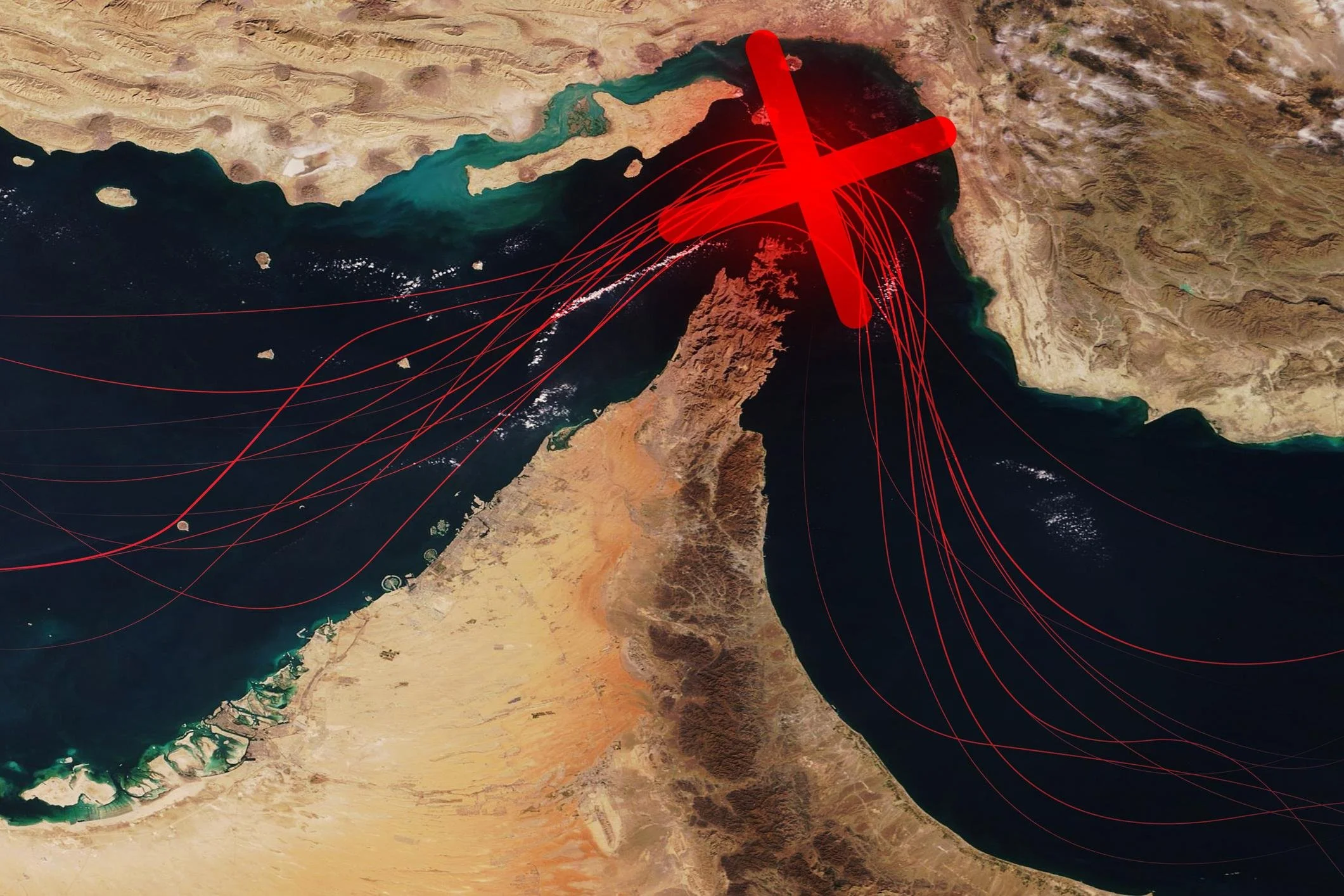
Hormuz ceasefire: Who controls the conditions in the Strait?
The Strait of Hormuz could be entering a temporary post-disruption phase where terms, not force, control transit.
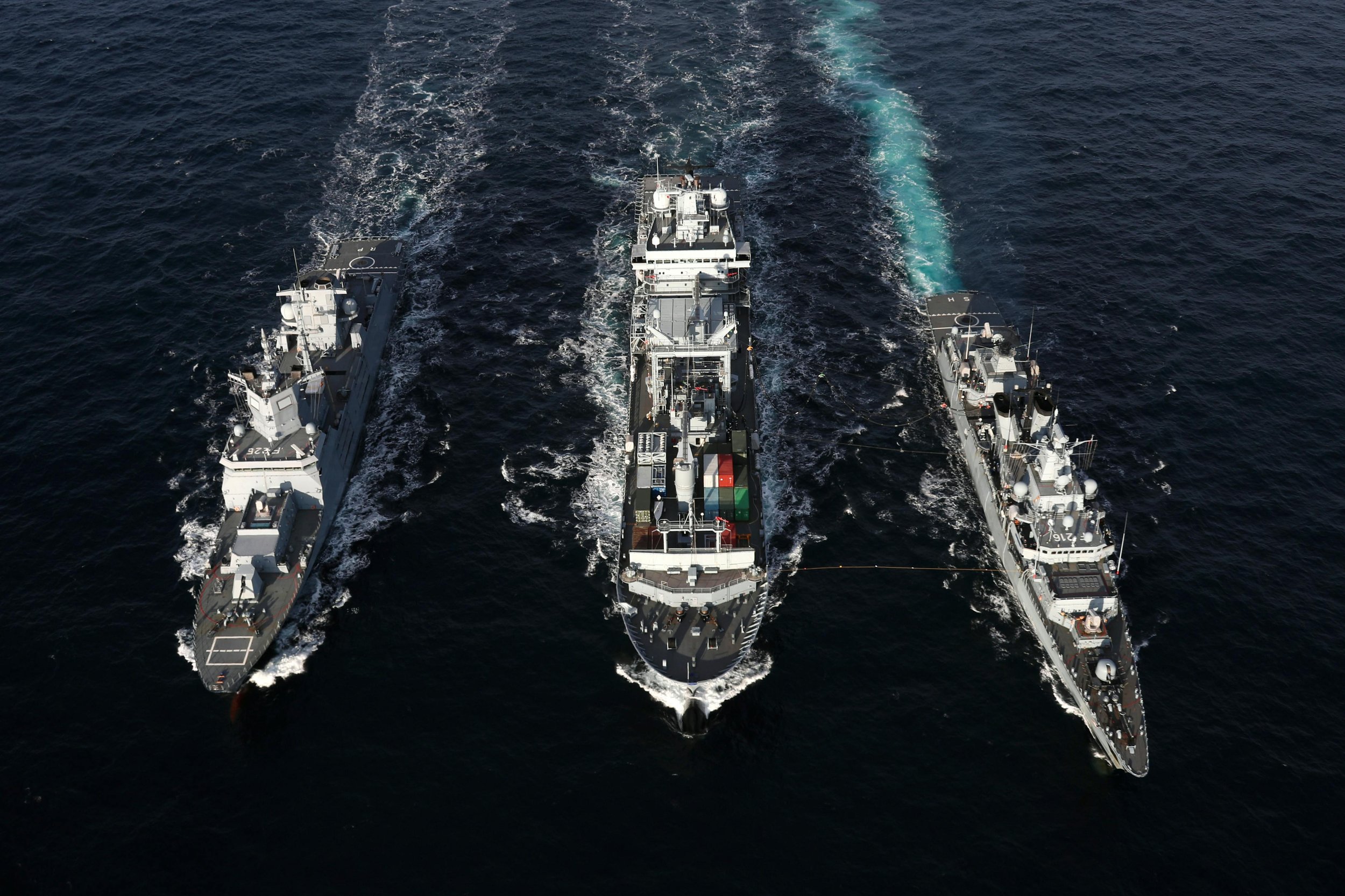
Access Denied: Maritime Competition and Chokepoint Strategy
Chokepoint control is not through stopping movement but by shaping risk through uncertainty, increased costs, and selective access.

Naval Pivot: Is the U.S. Preparing to Secure Hormuz?
The scheduled arrival of two amphibious attack ships indicates planned specialised operations.
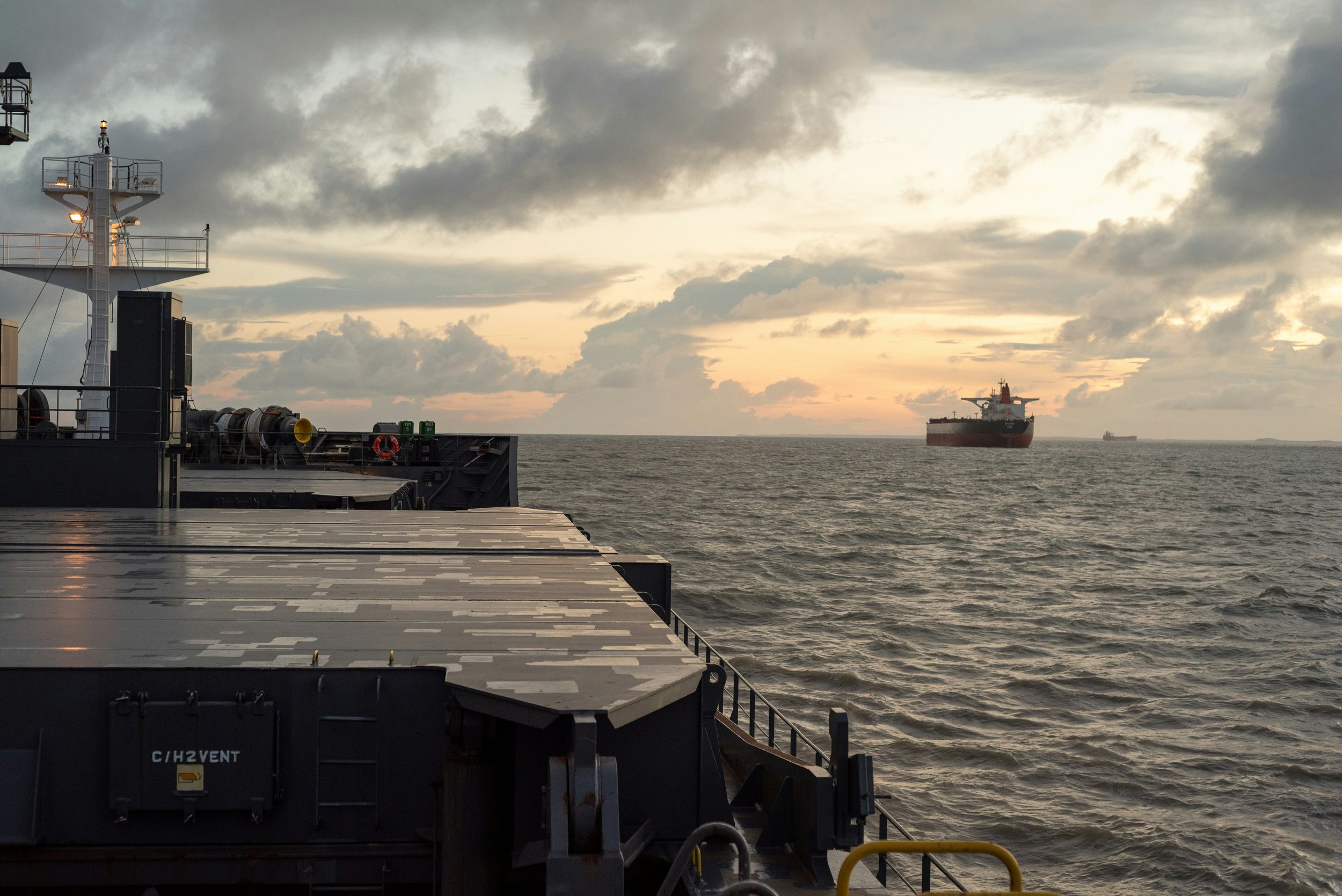
Strategic Denial: How Hormuz Is Becoming a Weaponised Chokepoint
The Strait of Hormuz is no longer just a disruption point; it is a tool of coercive economic leverage.
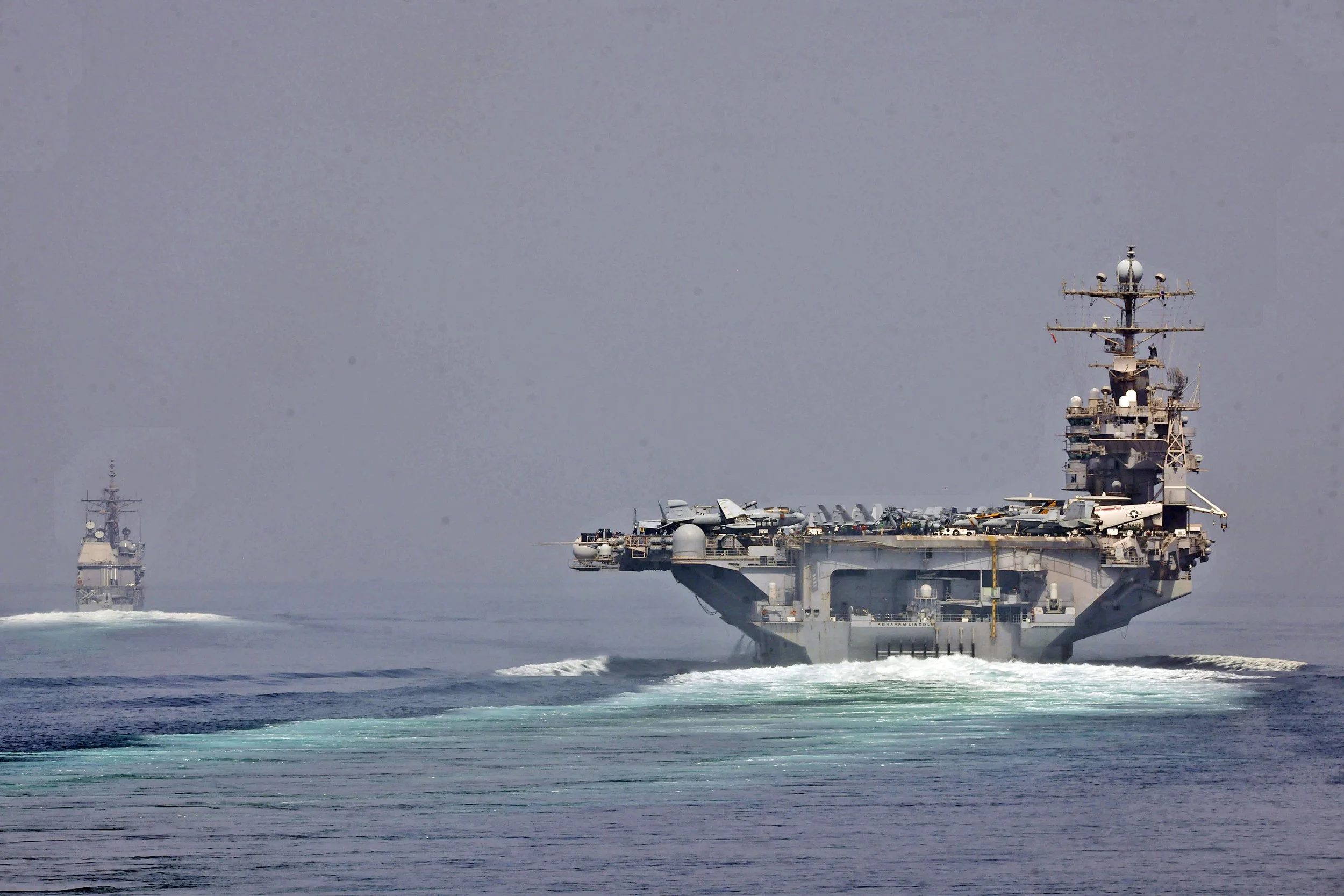
Signs of Naval Escorts Forming
The conflict is shifting towards a maritime denial phase where competition to control the Strait will be contested.
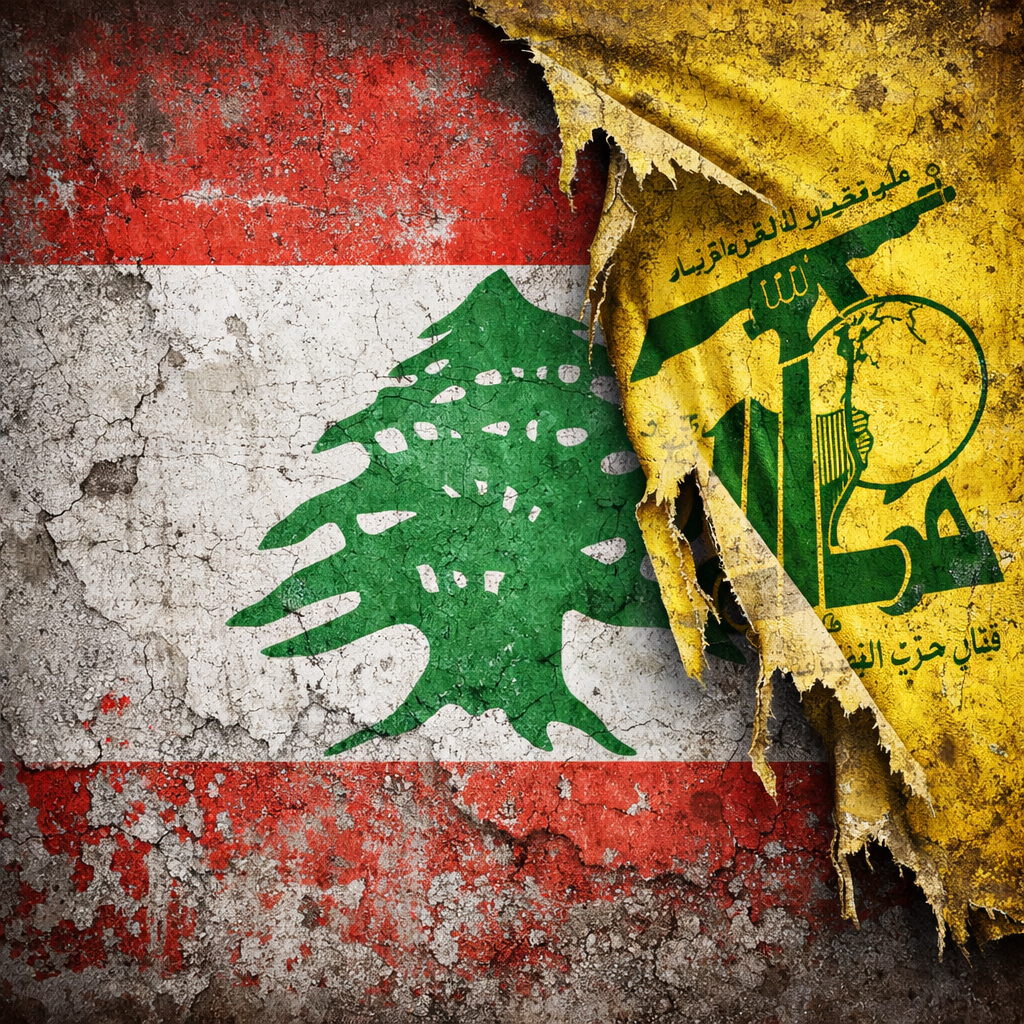
Lebanon’s Dilemma: Remove Hezbollah and risk civil war
The strategic window may offer Israel and the Lebanese government a convergence of interests to reduce Hezbollah as an external and internal threat.
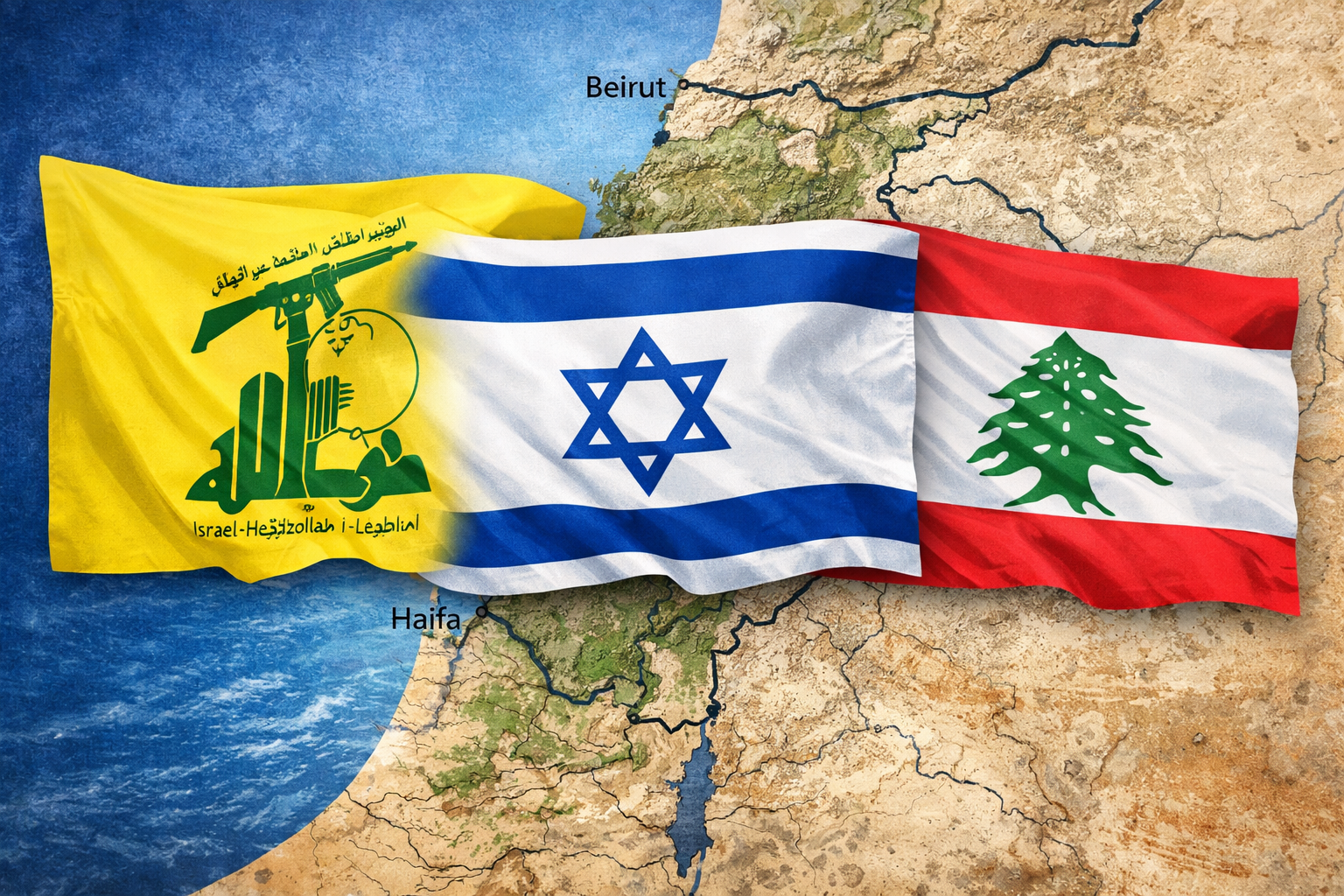
Strategic Window: Hezbollah, Israel, and Domestic Pressure
The U.S. and Israeli strikes on Iran may have presented Israel with an opportunity to further diminish Hezbollah’s military capacity along the Israel-Lebanon border.
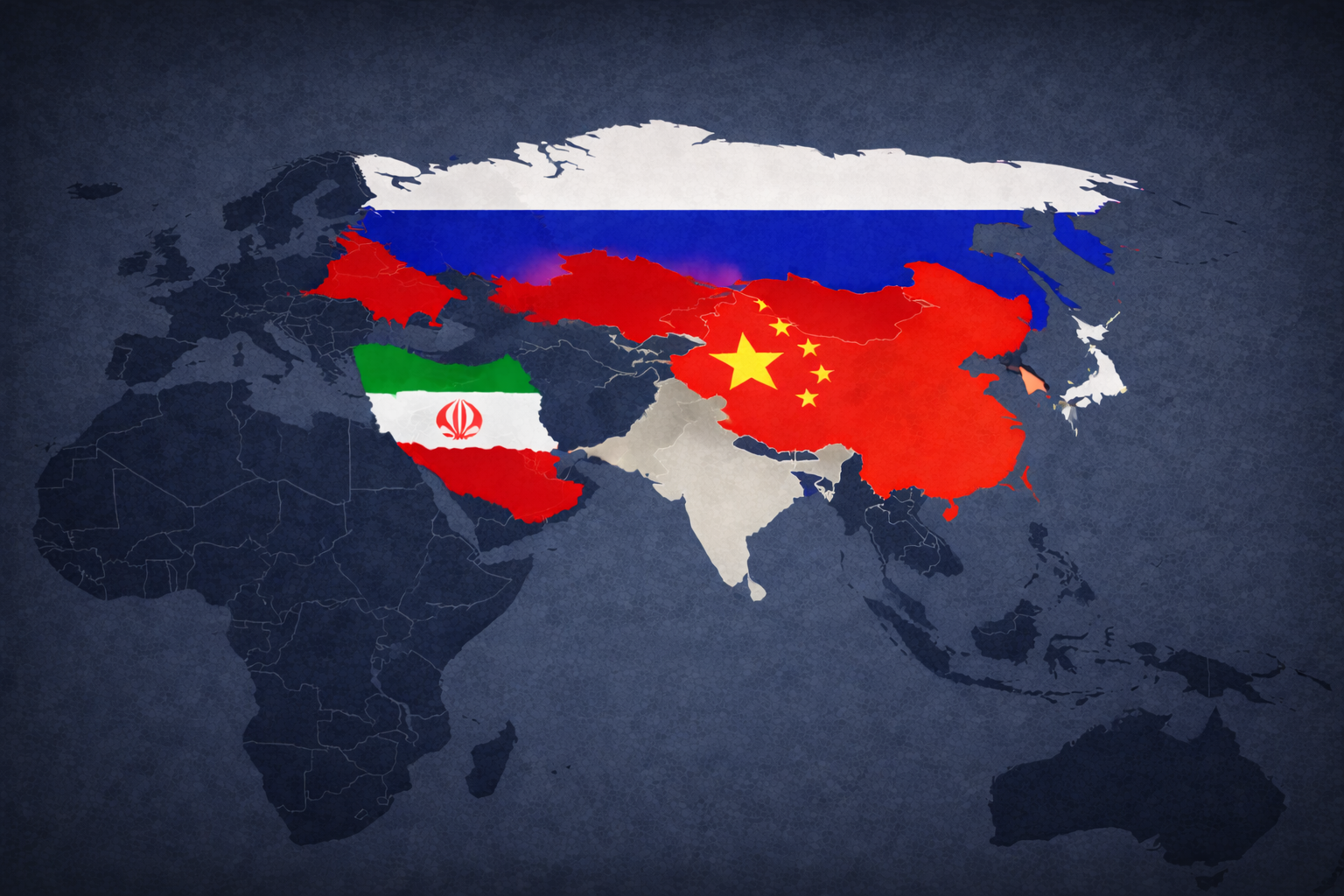
Iran—China—Russia Nexus: A U.S. Strategic Signal
The strikes on Iranian targets through the lens of great-power competition.